



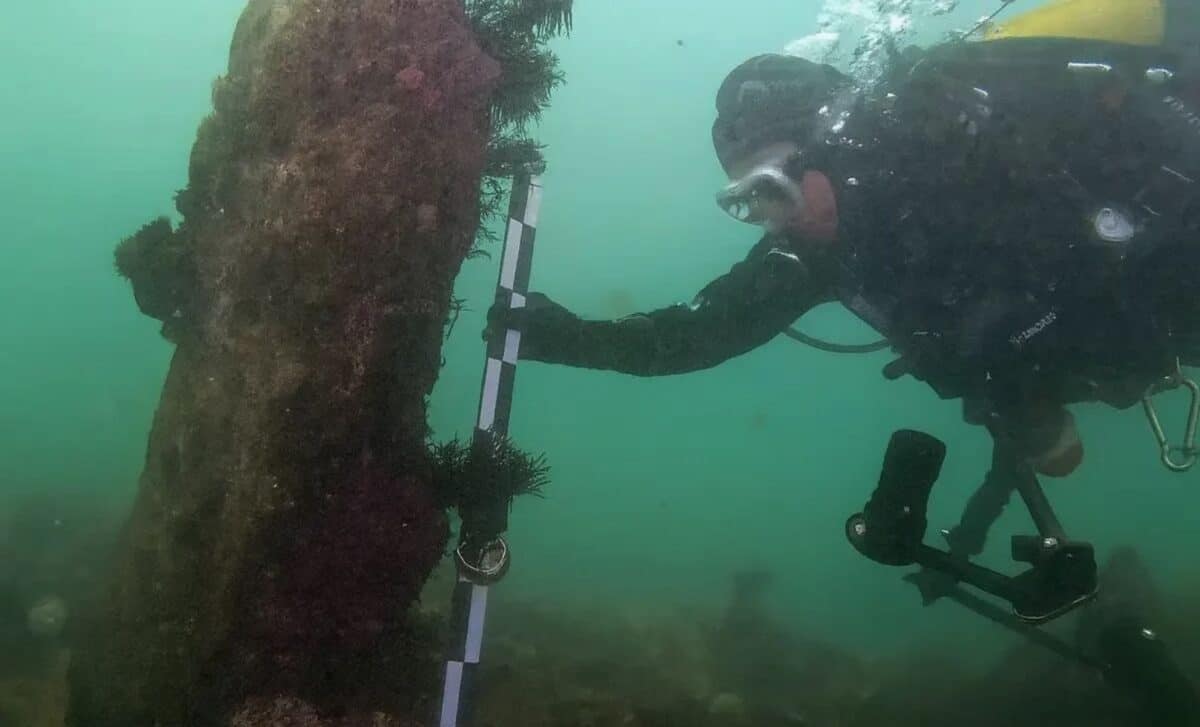
A massive stone structure beneath the Sea of Galilee, weighing approximately 60,000 tons, has puzzled archaeologists regarding its purpose and age. First detected in a 2003 sonar survey, the conical formation stands about 10 meters high and 70 meters in diameter, composed of uncut basalt cobbles—showing no signs of human manipulation. Researchers describe it as a cairn, a type of stone pile typically linked to burial practices, though no direct evidence supports this theory.
Experts believe the structure might have been built on dry land before being submerged due to environmental changes, suggesting a high level of organization was involved. Archaeologist Yitzhak Paz posits that it could date to the third millennium BC, drawing parallels to similar megalithic sites in the region, such as Khirbet Betiha.
Despite its intriguing characteristics, no underwater excavations have been performed, making it difficult to ascertain its function and precise age. The logistics and costs associated with such explorations complicate further investigation.
Source link
