



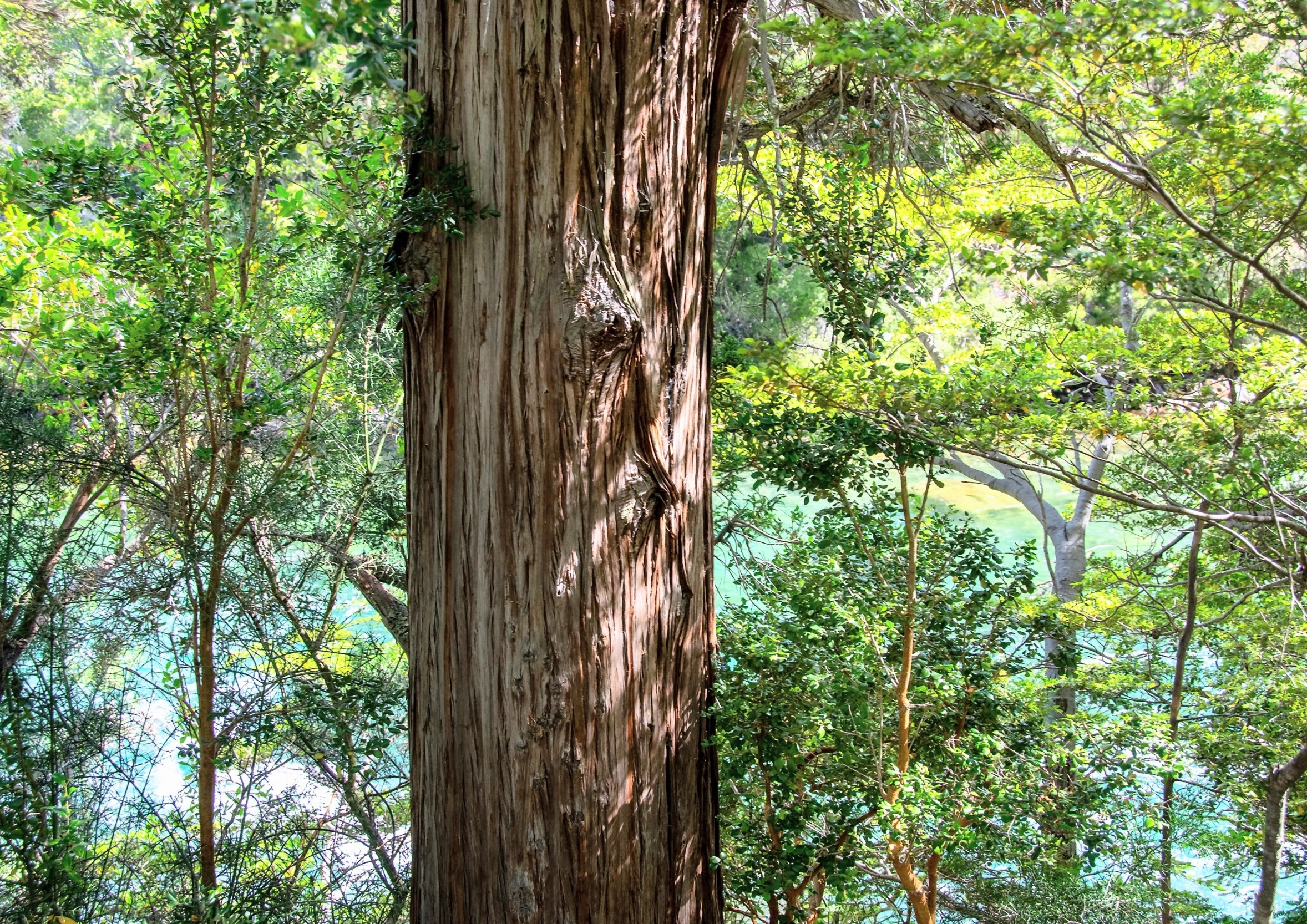
The ancient Alerce trees in Chile’s Coastal Mountains, some over 2,400 years old, are vital not only as towering giants but also as underground biodiversity hubs. Research from the University of Melbourne reveals that these trees support vast fungal communities, crucial for nutrient cycling, carbon storage, and forest resilience against environmental stresses. A study found that larger Alerce trees house over twice the fungal diversity compared to younger trees, potentially including hundreds of species yet to be classified.
The symbiotic relationship between mycorrhizal fungi and plant roots helps trees manage stress and sequester carbon, emphasizing the critical role of these fungal networks in forest ecosystems. The loss of a single ancient tree could mean the destruction of an entire subterranean ecosystem. Conservationists warn that cutting down such trees impacts not just the trunk but the extensive underground community built over millennia.
Despite their ecological importance, Alerce forests face threats from climate change, land-use changes, and infrastructure development. This highlights the urgency of conserving old-growth forests, as they support irreplaceable biodiversity that is essential for ecosystem health and stability. The findings serve as a reminder that significant biodiversity exists quietly beneath the forest floor, linked intricately to the ancient trees above.
Source link
