



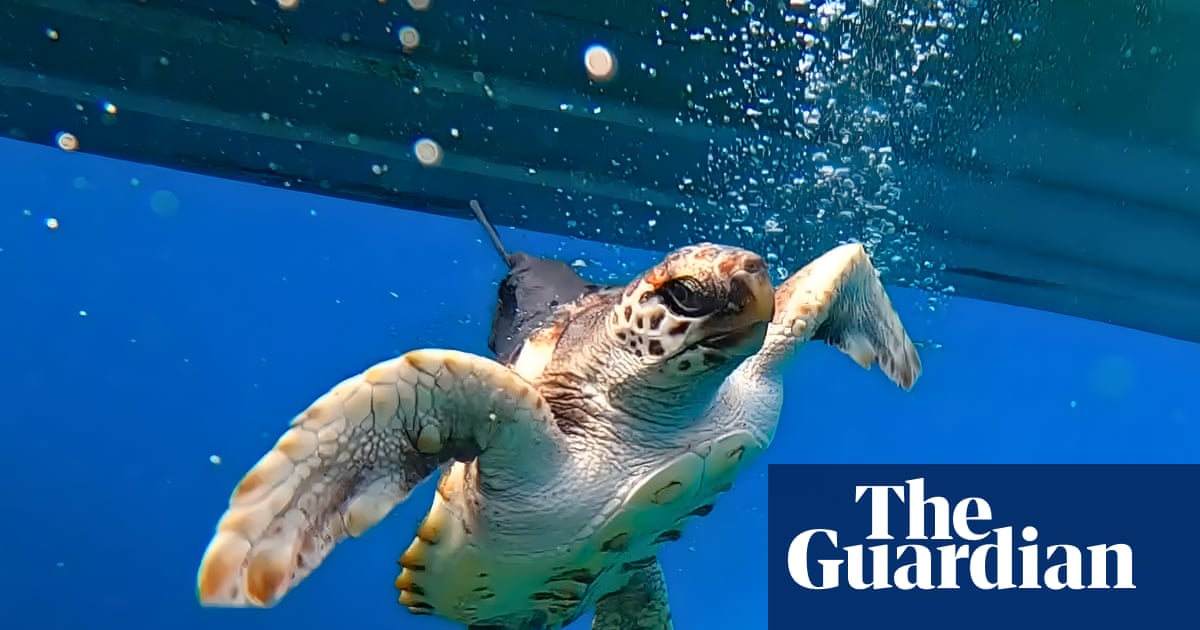
Buluwal Bilima (BB), a loggerhead sea turtle, was found stranded in Booderee National Park, New South Wales, in April suffering from dehydration and constipation. Weighing just 110 grams at hatching, BB was rehabilitated at Taronga Zoo, where it was nourished with marine food and kept in a heated pool during winter. Recently fitted with a satellite tracking device, BB was released from Lord Howe Island, northeast of Sydney.
The case highlights a worrisome trend: warming oceans are shifting species, including loggerhead turtles, further south. Traditionally, loggerheads nested in Queensland, but they’re now nesting in New South Wales. Conservationists at Taronga Zoo are adapting their monitoring strategies to track these movements and protect new migration routes.
With limited baseline data on sea turtles in New South Wales, the Taronga tagging project aims to address gaps in knowledge for effective habitat management. Sea turtles, sensitive to environmental changes, are affected by temperature shifts that influence their sex ratios and survival. Increased human interactions, such as fishing line injuries and habitat changes, pose further risks.
BB’s release involved careful monitoring of ocean conditions, and the team hopes the turtle’s movements will provide insights into future conservation strategies. Currently, around 21 turtles, including BB, are being tracked along the NSW coast. The research team developed innovative methods for capturing turtles in deeper waters, underscoring their commitment to conservation. Veterinarian Kimberly Binet Herrin emphasized the significance of watching the turtles swim away independently as a measure of success in rehabilitation.
Source link
