



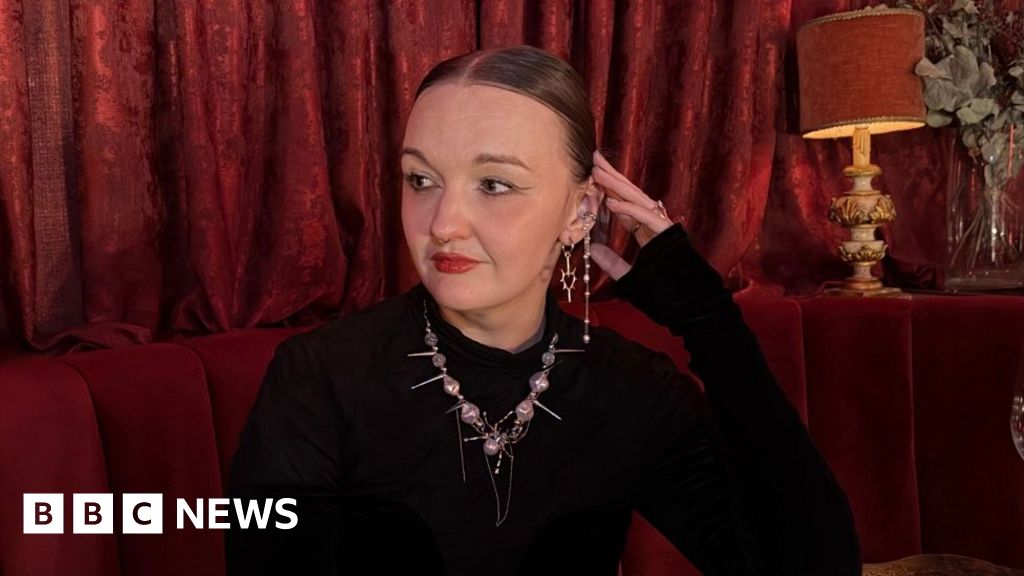
The article by Laura Gozzi discusses the impact of the ongoing war in Ukraine on personal relationships and demographic trends. Daria, a 34-year-old woman in Kyiv, expresses her struggles with dating after a long-term relationship ended pre-war. The war has led many Ukrainians to reevaluate their lives, including marriage and family planning, resulting in declining marriage and birth rates.
Women who stayed in Ukraine face challenges meeting potential partners, as many men either avoid public spaces due to conscription fears or are traumatized soldiers with limited availability. Christina, a 28-year-old in Lviv, highlights the scarcity of men seeking relationships, while soldiers like Ruslan and Dennis grapple with the inability to make long-term commitments, fearing that their lives may be cut short.
The birth rate has sharply declined, currently at a record low of 0.9 children per woman, with fears that the war’s effects will lead to a population crisis. Demographer Oleksandr Hradun warns that Ukraine’s population could fall to 25.2 million by 2051 without significant changes.
Amid these struggles, couples like Olena and her husband contemplate starting families under challenging conditions, with many postponing parenthood because of the war. Concerns about fertility issues and the psychological toll of war are prevalent among healthcare providers and families alike.
Despite some government efforts to address population decline through childcare and housing policies, uncertainties due to the war remain a significant barrier. As Daria reflects, planning for the future feels fragile amidst the chaos, underscoring the long-term implications of the conflict on Ukraine’s demographics and societal fabric.
Source link
