



The family of Lee Adams, who took his own life after placing over 600 bets in one hour, contends that the inquest process was fraught with challenges, primarily in getting the coroner to recognize gambling as a contributing factor. On July 24, 2020, shortly after receiving his salary, Adams, a 36-year-old from south London, engaged in intensified gambling behavior, leading to his suicide within hours. It wasn’t until November 2025 that a medical examiner acknowledged gambling disorder’s role in his death.
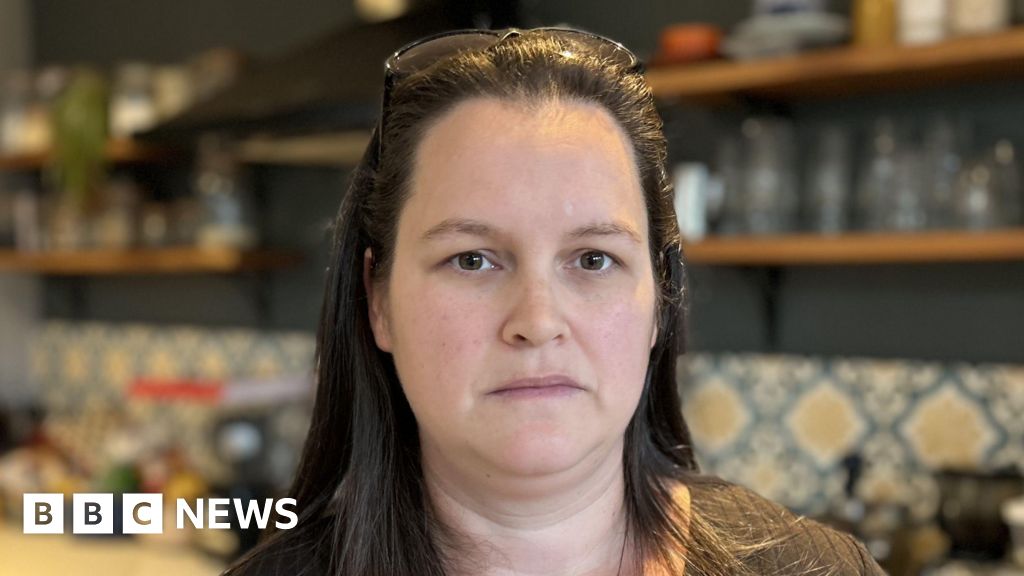
Adams’ cousin, Natalie Ashbolt, expressed frustration over the inquest process, which required legal intervention to address the gambling issue. Supported by the campaign group Gambling with Lives, the family fears that such difficulties could hinder other families facing similar situations. Despite evidence indicating that gambling-related suicides reach around 500 annually in the UK, the inquest at Southwark Coroner Court was only the third to seriously consider gambling’s impact.
The coroner found that Adams suffered from long-term depression, with his gambling spiraling after a big win in March 2020. There were missed opportunities for intervention from gambling operators, who failed to recognize his risk despite multiple transactions. Ashbolt emphasized that systemic reform is needed to aid families impacted by gambling-related tragedies.
Legal representatives pointed out that coroners often resist investigating gambling’s link to suicides, which may result in unjust outcomes for many families. Advocacy groups are calling for greater awareness and involvement from coroners regarding gambling’s role in suicides, aiming for improved support and investigation protocols for affected families. Additionally, recent guidelines recommend that medical professionals routinely screen for gambling issues alongside other health risks.
Source link
