



Australia is currently facing an extreme heatwave, with temperatures soaring above 45°C for several days. These heatwaves pose significant risks, especially to vulnerable populations such as the elderly and low-income individuals, but they also severely affect wildlife.
Many animals have adapted to manage heat through various behaviors. For instance, dogs cool down by panting, koalas cling to the cooler parts of trees, and bees create “beards” outside their hives to improve airflow. However, prolonged high temperatures can be deadly; tens of thousands of bats have perished, and some birds can die within a day of extreme heat.
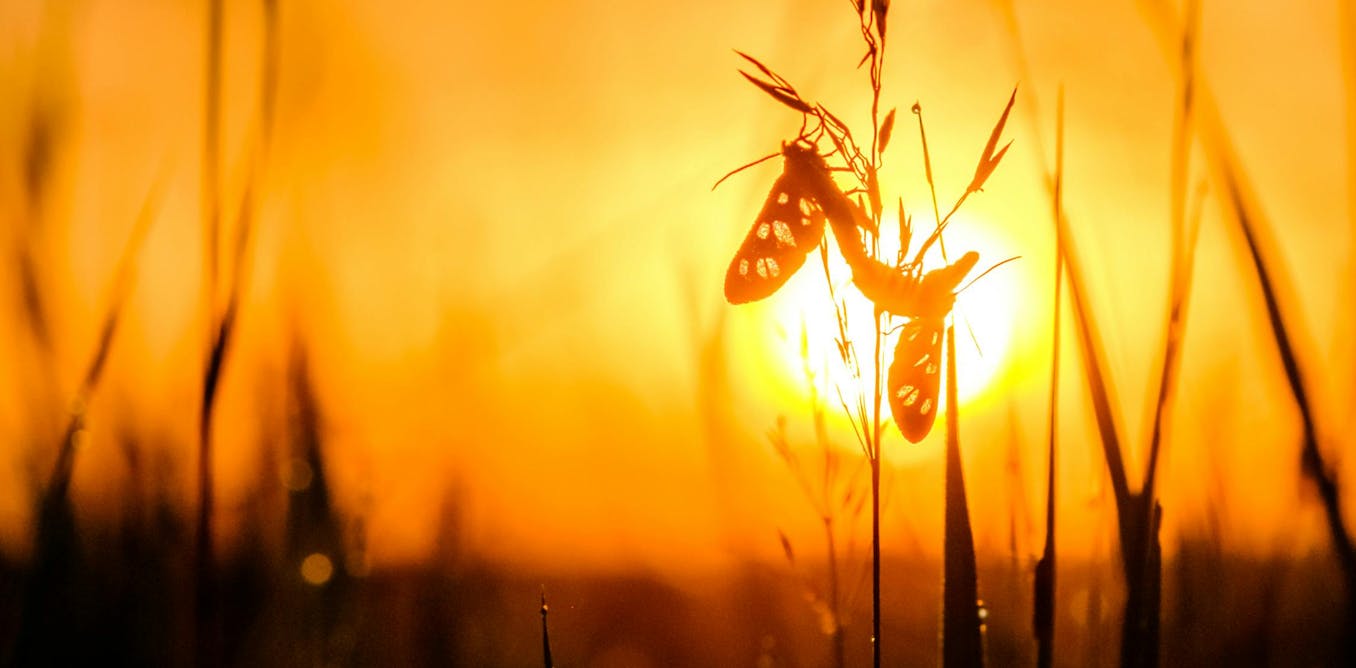
Cold-blooded insects also face challenges during heatwaves. Ants may become less active and seek cooler areas, making them more likely to forage indoors. Bees, especially the Western honey bees, exhibit unique behaviors like fanning their hives and collecting water to cool down; however, they struggle in sustained heat.
Beetles, such as the Christmas beetle, show reduced activity in extreme heat and seek shade, but their shiny exoskeletons can reflect heat, helping them cool. To assist insects during heatwaves, people can make small efforts like providing water sources, ensuring shelter in gardens, and observing insects during cooler evening hours.
Overall, while wildlife has mechanisms to cope with heat, the intensity and duration of heatwaves pose serious threats, highlighting the need for broader awareness and care for both human and animal well-being.
Source link
