



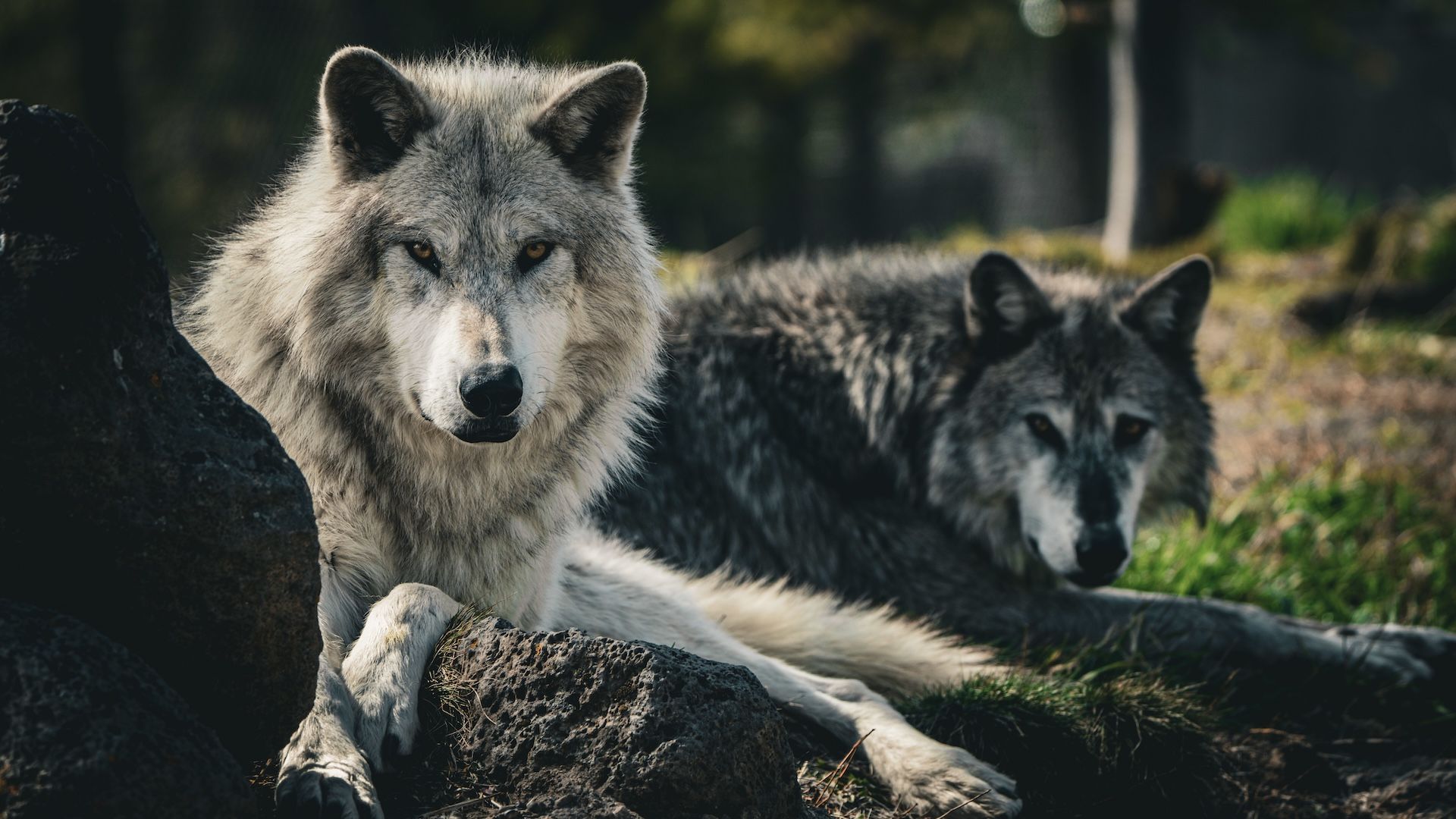
Over the past three decades, Yellowstone National Park has undergone significant ecological changes, largely attributed to the reintroduction of gray wolves in the 1990s. This led to a decline in elk populations, allowing aspen and willow trees to flourish, which in turn benefited beaver populations and created new habitats for fish and birds. A study published in January claimed this reintroduction caused a trophic cascade that positively affected the entire ecosystem, citing a 1,500% increase in willow canopy volume from 2001 to 2020 as evidence.
However, a response published on October 13 in Global Ecology and Conservation challenged the original study’s methodology, arguing that the relationship between wolves and vegetation is less clear. The response highlighted issues with how the original study converted willow height data into canopy volume, suggesting it lacked new insights into the growth of willows post-wolf reintroduction. It also pointed out inconsistencies in the data analysis, specifically the comparison of measurements from different years and locations.
While there is general agreement among scientists about the existence of a trophic cascade involving large carnivores in Yellowstone, debates persist regarding its strength and the specific roles of various predators. Some researchers believe other factors may also affect plant growth, complicating the narrative of a straightforward wolf-to-elk-to-willow impact. Current discussions emphasize the need for more comprehensive studies to determine the extent of wolves’ influence on willow populations and the overall ecosystem dynamics, accommodating the roles of other predators and environmental factors.
