



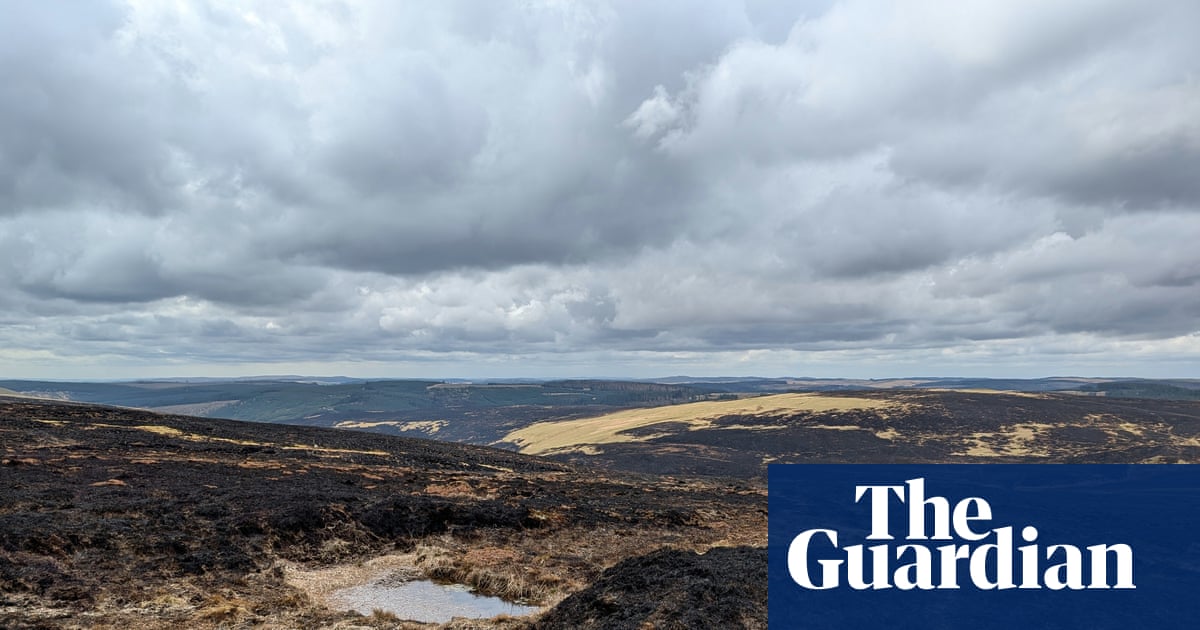
An annual audit by the National Trust has revealed that extreme weather events, exacerbated by human-induced climate change, will increasingly strain British flora and fauna by 2025. This year, storms Éowyn and Bram, along with a hot summer, resulted in intense heather and moorland fires, followed by autumn floods. Conservation director Ben McCarthy emphasized that severe conditions have tested nature’s resilience, marking 2025 with heat, drought, and fires as critical concerns.
Extreme weather is blamed for significant habitat destruction, including over 5,000 hectares of peatland burned in Wales, which devastated populations of various species. Low rainfall has led to dangerously low water levels across regions, affecting streams and ponds essential for wildlife. Many newly planted trees suffered losses, and mature oaks face threats from rapid decline, particularly in dry areas.
Despite these challenges, some species, particularly generalist ones like gray seals and crows, have thrived. The report noted unusual seasonal behaviors, such as late-blooming plants, indicating ecological disruptions.
The Trust has initiated projects to create resilient ecosystems, highlighting successful recoveries of specific species. However, McCarthy warned that the fragmentation of protected areas is hindering effective ecosystem networks, urging necessary, coordinated actions to halt nature’s decline.
Source link
