



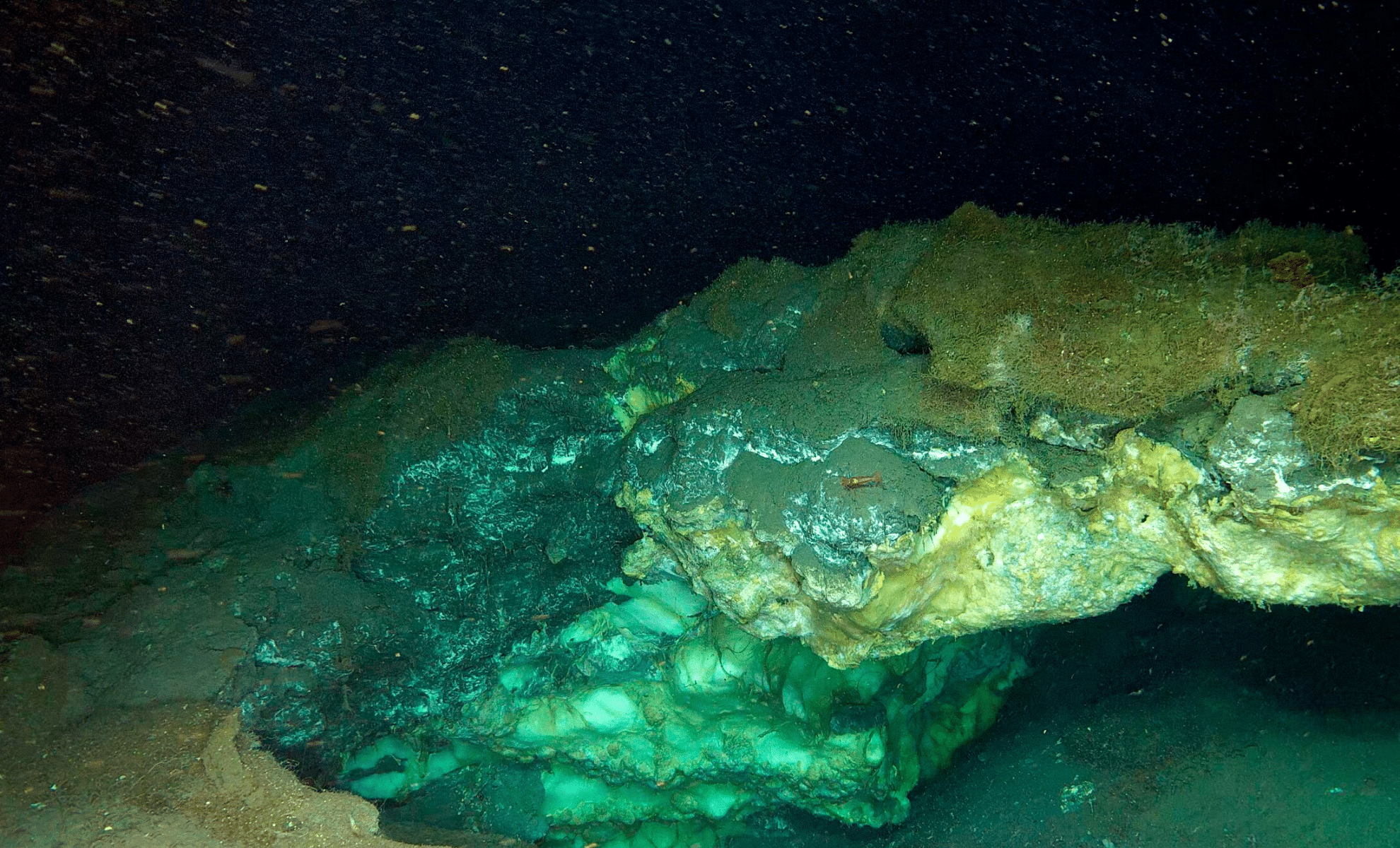
Recent research in the Arctic Ocean during the Marine Census Deep Arctic – EXTREME24 expedition has uncovered significant discoveries that challenge previous understandings of deep-sea ecosystems. A hydrate mound named Freya, located at 3,640 meters depth in the Greenland Sea, is notable for being nearly twice as deep as known hydrate outcrops, reshaping scientists’ views on gas hydrate formation.
Led by Juliana Panieri, the expedition revealed a high diversity of chemosynthetic life near cold-water springs, including organisms like tubeworms and amphipods, adapted to extreme conditions. These ecosystems display a surprising ecological overlap with hydrothermal vents, suggesting a broader network of biodiversity in the Arctic seabed.
Freya’s geological features are dynamic, actively responding to tectonic shifts and climate changes. This makes the site crucial for studying methane and carbon cycles, particularly amidst rising concerns over climate change and emissions from Arctic permafrost.
The findings reinforce the need for responsible environmental policies regarding deep-sea resource extraction, emphasizing the importance of protecting unique habitats as exploration interest increases. The study, published in Nature Communications, highlights advancements in Arctic science and the necessity of international cooperation and advanced technology for exploring and safeguarding these remote regions.
