



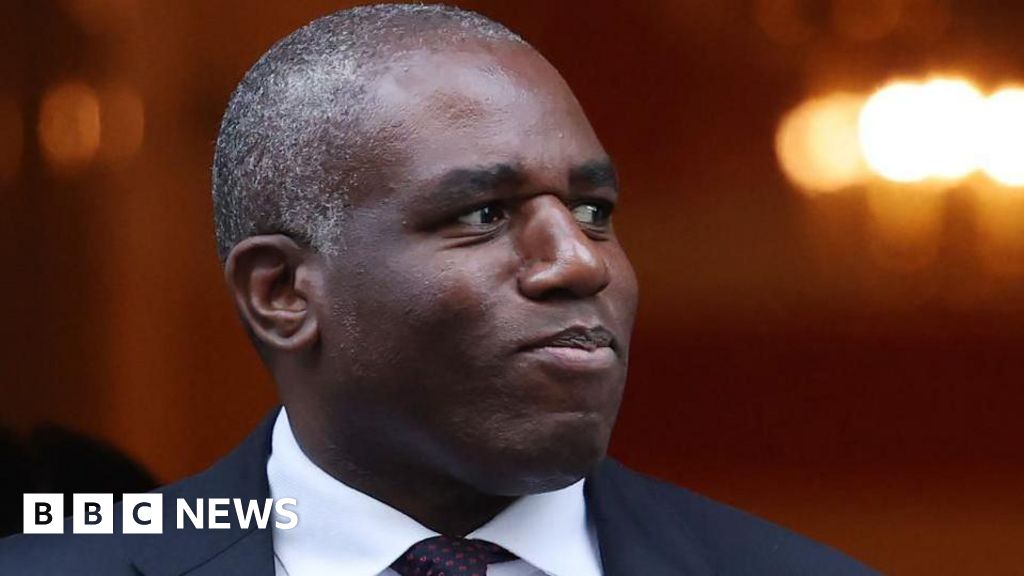
Jury trials for offenses likely resulting in up to three years’ imprisonment will be abolished in England and Wales, as announced by the Attorney General. This judicial reform is part of a plan to tackle significant delays in the court system, with a focus on creating “speedy courts.” Serious crimes like murder and rape will still be heard by juries.
David Lammy termed the reforms “bold but necessary,” while Conservative critics suggested these changes signal the end of jury trials. Former Court of Appeal judge Sir Brian Leveson developed proposals to alleviate court backlogs, which included non-jury trials and out-of-court settlements. Initially, a proposal to limit jury trials for offenses with sentences up to five years was leaked, but Lammy moderated this during the official announcement.
The reforms aim to process cases faster and address a backlog projected to reach 100,000 by 2028. Defendants facing fraud or complex crimes will be barred from jury trials. Critics, including trial lawyers, argue that funding cuts, rather than jury trials, are the root cause of court delays.
Lammy noted that many trials already occur before magistrates, emphasizing the need for reform due to previous government cuts. The Liberal Democrats and other advocates expressed concerns about the implications for the right to jury trials and community trust in the judicial system. Reforms, including giving judges increased sentencing powers, require new laws. The Criminal Lawyers Association criticized the changes as damaging to a long-standing system, while calls for increased court resources were also highlighted.
Source link
