



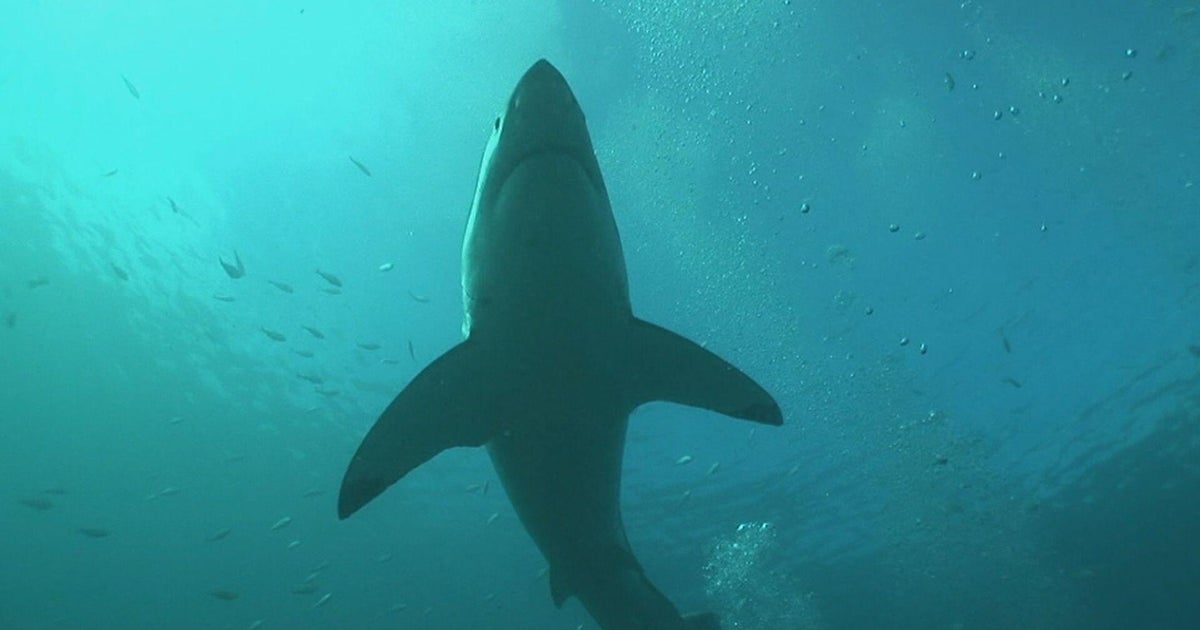
The article discusses the troubling decline of great white sharks in Cape Town, South Africa, raising concerns among scientists and conservationists since the country was the first to protect these sharks in 1991. Initially, photographers like Chris Fallows observed up to 300 great whites annually, but sightings have drastically diminished. It has sparked a divide among experts; while some blame the rise of killer whales, others attribute the decline to human activities such as commercial fishing and shark nets.
Marine biologist Alison Koch discovered that killer whales may be preying on great whites by targeting their livers, leading to observed carcasses with surgical-like cuts. These orcas, identified as “Port and Starboard,” have demonstrated new hunting techniques, suggesting they could be educating others in their pod.
Alongside the killer whale theory, Enrico Gennari argues that overfishing and harmful fishing practices, including the use of shark nets, are significant factors contributing to the dwindling shark population. He advocates for modern alternatives to protect both sharks and swimmers.
The article concludes with a call for conservation measures, emphasizing that protecting sharks is essential for marine health and the balance of ocean ecosystems.
Source link
