



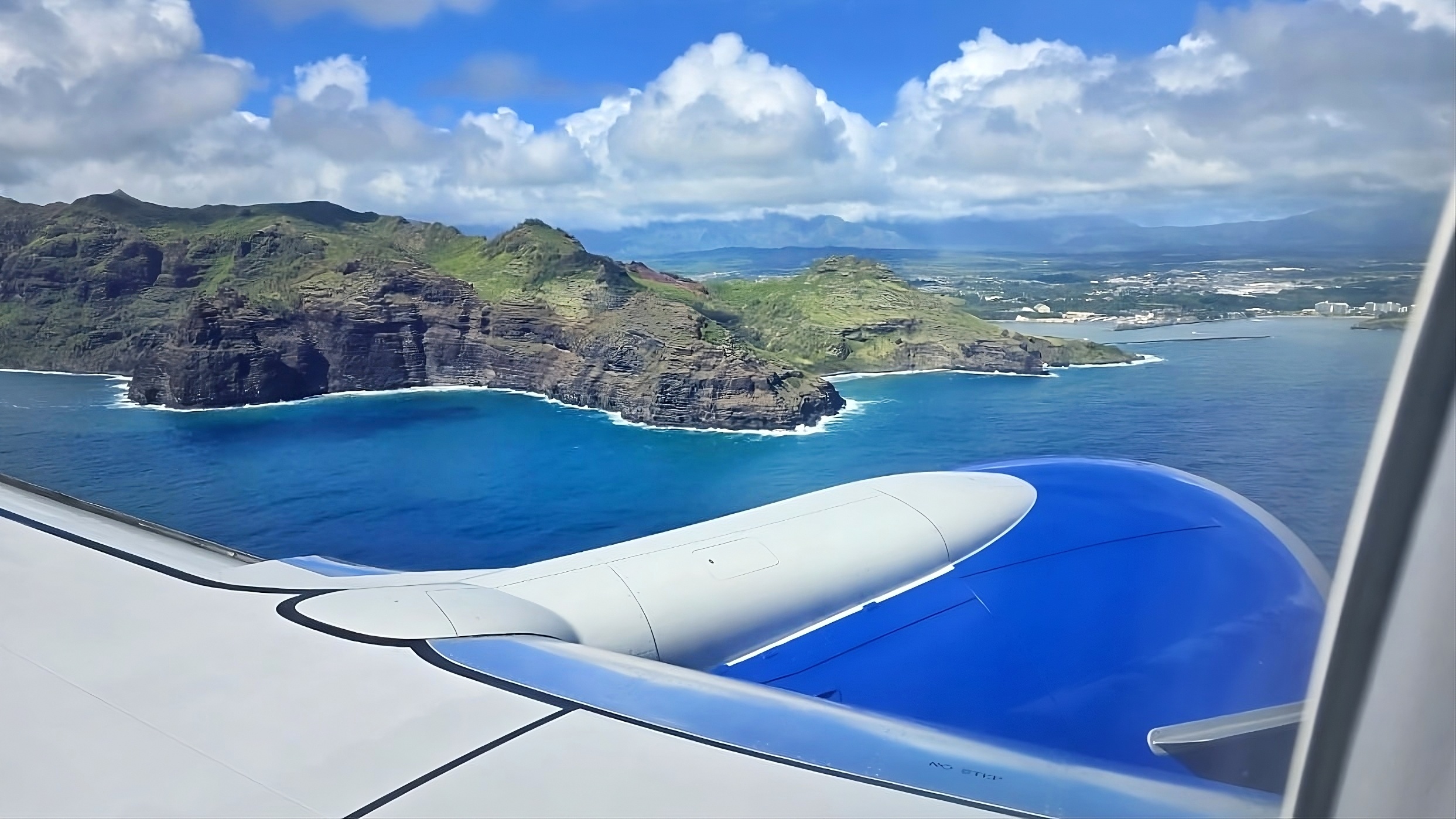
A recent incident on a Southwest Airlines flight from Honolulu highlighted a significant shift in the airline’s boarding and seating policies, moving away from its historically flexible approach. As passengers boarded, a gate agent checked seat assignments against a manifest, enforcing strict compliance regardless of fare class, even on a half-full flight. This marked a departure from Southwest’s casual tradition of allowing passengers to choose their seating.
Passengers expressed frustration as they were required to move to their assigned seats, despite empty rows nearby, leading to an unusual atmosphere onboard. For decades, Southwest has prided itself on flexibility and open seating, but recent enforcement measures suggest a more rigid policy approach, potentially influenced by management changes and investor pressure.
Additionally, reports indicate a decrease in the number of passengers needing wheelchairs, addressing issues related to perceived misuse. The union representing flight attendants voiced concerns about the new boarding procedures, which they believe could increase conflict and reduce flexibility for both crew and passengers.
Overall, these changes reflect a strategic pivot for Southwest Airlines as it adapts to shareholder demands and operational challenges, creating a new cultural environment for travelers in Hawaii.
Source link
