



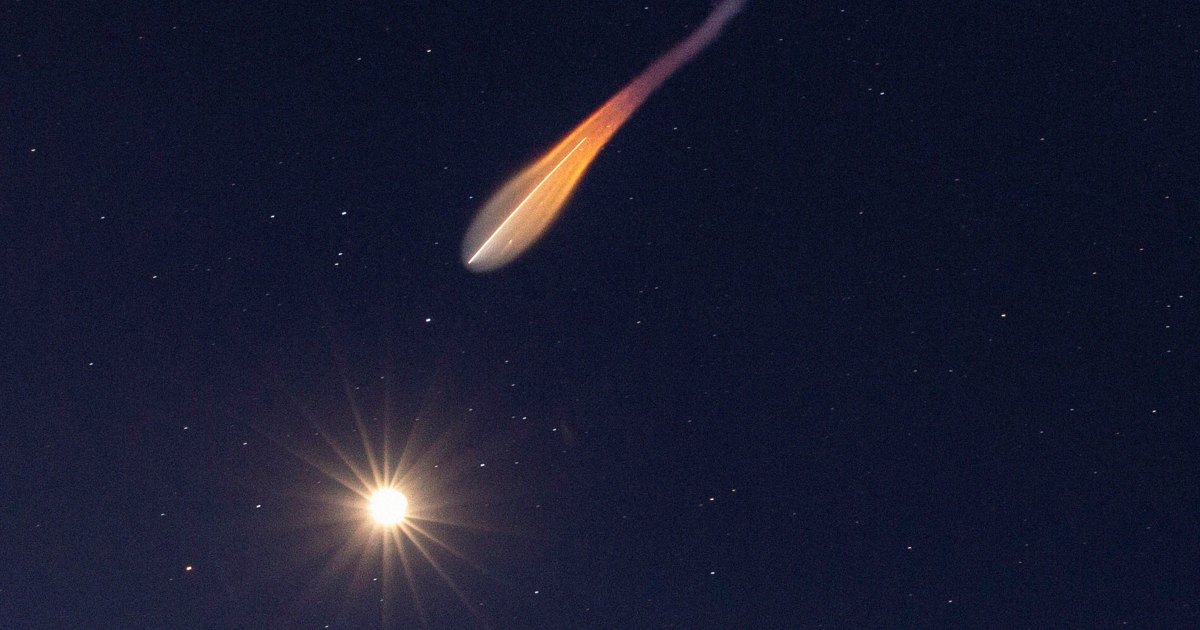
A recent study highlights growing concerns about the environmental impact of rocket launches, particularly focusing on the upper atmosphere. In a typical mission last year, SpaceX’s Falcon 9 upper stage released significant amounts of lithium and other pollutants during its uncontrolled reentry, creating clouds approximately 100 miles above Europe. This incident marks the first measurement of pollution from space debris reentry, detected using ground-based lidar.
As satellite launches proliferate—with nearly 10,000 broadband satellites already deployed—the pollution from both reentering rocket stages and burned-up satellites raises questions about long-term atmospheric effects. The pollutants, including metals like aluminum, could potentially harm the ozone layer, crucial for blocking harmful UV radiation.
Co-author Professor Robin Wing emphasized the considerable amount of lithium released, comparing it to the daily natural deposition from meteors. The study calls for further research to better understand the long-term consequences of these emissions on Earth’s atmosphere and climate. The rapid advancement of satellite technology necessitates proactive monitoring to avert future problems.
Source link
