



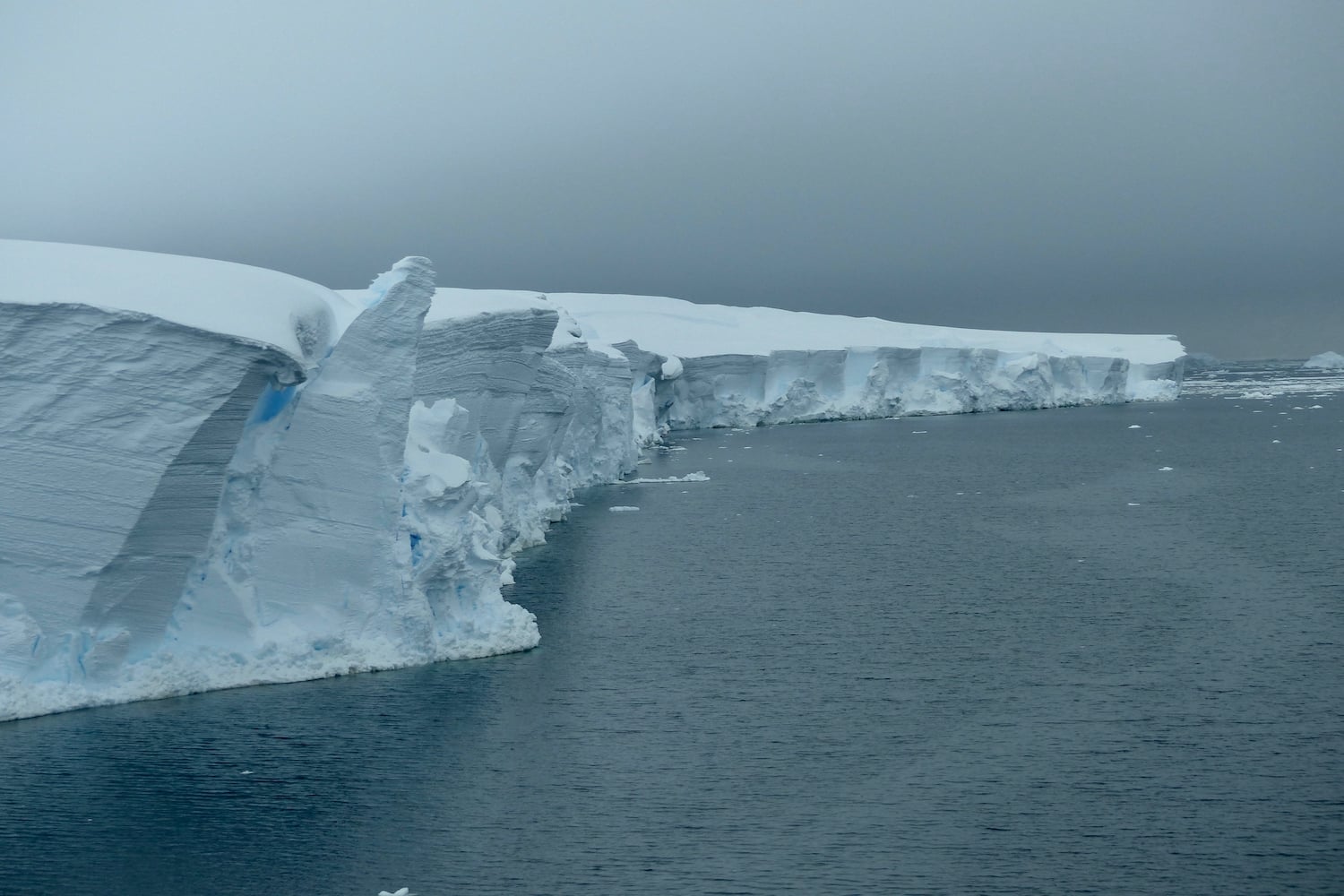
A team from the British Antarctic Survey (BAS) and the Korean Polar Research Institute (KOPRI) conducted research beneath Antarctica’s Thwaites Glacier to understand how the ice melts from below. However, during their efforts, their equipment became stuck in the ice, halting the project. BAS oceanographer Keith Makinson acknowledged the inherent risks of field research in Antarctica, but noted that the data collected before the setback is still valuable for future studies.
Thwaites Glacier poses a significant threat, as its collapse could raise global sea levels by up to 25 inches, affecting millions in low-lying areas. Researchers drilled a borehole over 3,300 feet deep to install instruments that measured turbulent ocean conditions and warmer water beneath the glacier, which contribute to ice melting. Unfortunately, while attempting to lower their mooring system to collect data over a longer period, it became lodged in the borehole due to potential freezing or glacier movement.
Time constraints and worsening weather forced the team to leave the snagged equipment behind. This was their second attempt at this deployment; the previous year, severe sea ice conditions had thwarted their efforts. Despite the frustrating outcome, the group gathered important data that advocates for future research in the area. BAS oceanographer Peter Davis and South Korean chief scientist Won Sang Lee emphasized the significance of their findings and the importance of continued study beneath the glacier.
Source link
