



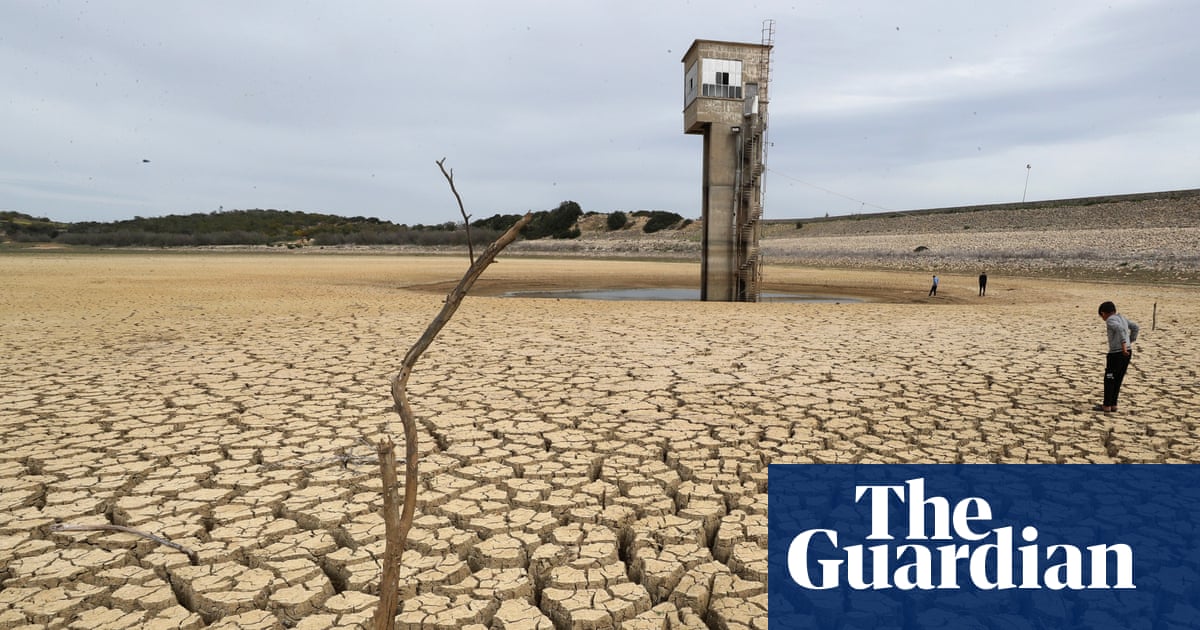
Experts warn that flaws in current economic models may lead to an accelerated climate crisis, potentially triggering a global financial collapse. Unlike the manageable recovery after the 2008 financial crisis, the challenges posed by climate change are insurmountable, as we cannot “bail out the planet.” As the world edges closer to 2°C of warming, the risk of catastrophic weather events and ecological tipping points increases, yet existing economic models overlook these shocks.
Researchers from the University of Exeter and the Carbon Tracker Initiative emphasize that the models erroneously assume future stability based on past trends, failing to account for extreme climate events. Tipping points like the Atlantic Ocean’s currents or the Greenland ice sheet’s integrity have profound global impacts but are difficult to predict.
The report suggests that governments and financial institutions must recognize these low-probability, high-impact risks, as the costs of reducing carbon emissions now are far lower than dealing with future consequences. Notably, actuaries project potential global GDP losses of 50% by 2090 due to climate shocks, a significant increase from previous estimates.
Key findings indicate that mainstream economic modeling often misses extreme weather’s true impact, focusing instead on average temperature changes. Post-disaster GDP can even appear higher due to recovery spending, obscuring the reality of climate change damages.
The researchers call for a shift in focus toward understanding extreme risks and vulnerabilities in the financial system. Asserts that financial institutions and policymakers must act swiftly to transition away from fossil fuels, as failure to do so could result in significant future losses. Overall, the current frameworks remain dangerously disconnected from the evolving climate realities.
Source link
