



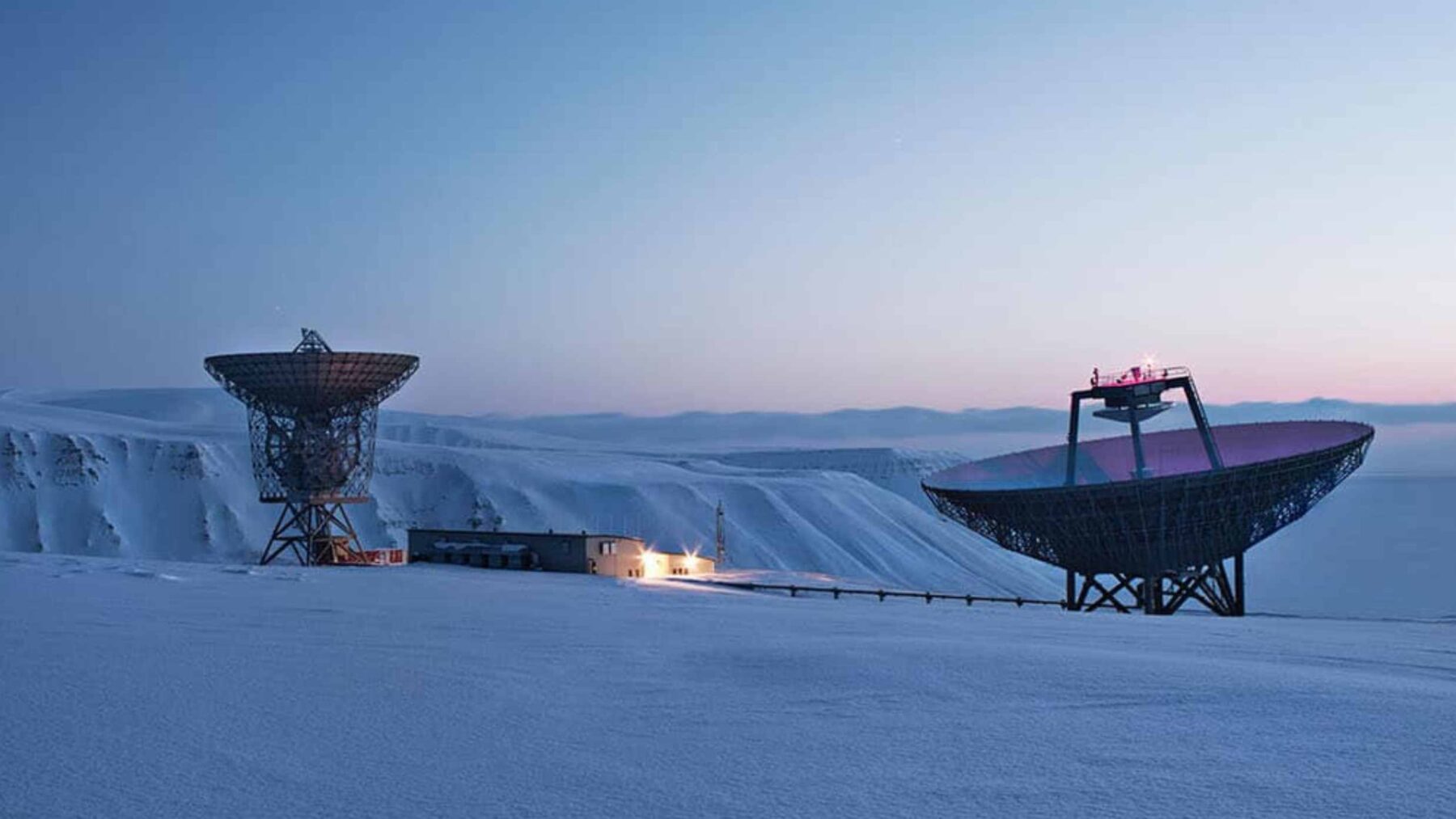
The Arctic is experiencing rapid warming, making it a new arena for geopolitical tensions, particularly concerning military activity between NATO, Russia, and China. NATO’s top European commander, General Alexis Grinkevich, remarked on the increasing significance of the region as a “front line of strategic competition,” with Russia and China enhancing joint military operations there.
Environmental scientists express alarm as melting ice is attracting military ships and oil tankers into previously untouched areas, thus altering both the climate and global security policies. Satellite data reveal that the Arctic has warmed four times faster than the global average since the late 1970s, leading to record low sea ice levels and a surge in ship traffic, which has increased black carbon pollution significantly.
This influx of vessels introduces noise pollution that disrupts marine mammals dependent on echolocation, alongside environmental risks posed by older, poorly maintained tankers that could compromise fragile ecosystems.
NATO has responded by launching operations like Baltic Sentry and East Sentry to monitor undersea energy cables and military activities in the Arctic, recognizing the interconnectedness of climate change and security. Grinkevich notes that while there is currently no imminent threat to NATO territory, decisions regarding Arctic shipping routes and infrastructure will increasingly reflect the dual challenges of environmental change and strategic security, affecting broader global implications.
Source link
