



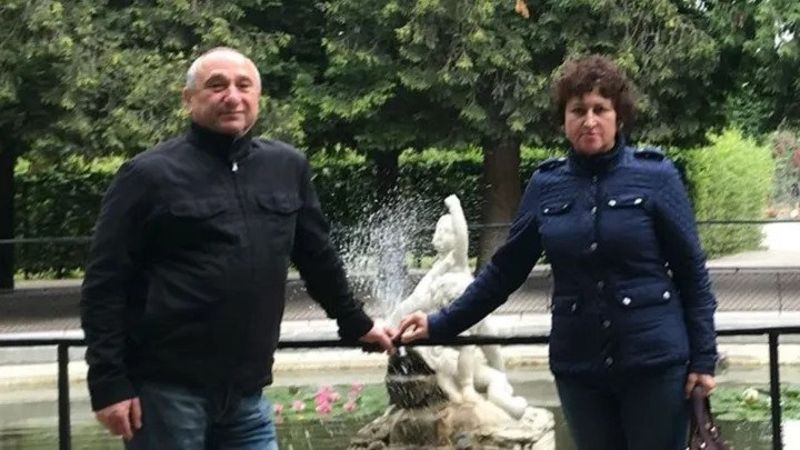
Moments before a mass shooting killed 15 people during a Hanukkah festival in Bondi Beach, Australia, two elderly bystanders attempted to disarm one of the attackers. Despite their efforts and those of others, the couple was killed. Dr. Ari Cohen, a political scientist, noted that while the heroic actions of bystanders were widely viewed, such bravery is rare; most people tend to remain passive in the face of danger.
The article discusses the “bystander effect,” exemplified by the Kitty Genovese case, where witnesses did not help due to diffused responsibility. Although the details of that event have been contested, the effect still exists to some extent. Experts like Dr. Steven Quartz explain that heroism requires a combination of empathy, the belief that one can make a difference, and quick decision-making, often driven by emotional resonance with the victim.
The individuals at Bondi Beach came from diverse backgrounds but shared a communal sense of outrage and empathy that prompted them to act. Historical parallels demonstrate that shared experiences of suffering can foster empathy and catalyze heroic actions. The article concludes with the notion that heroism can be cultivated through training and preparedness, encouraging ordinary people to perceive themselves as potential heroes in crisis situations.
Source link
