



Summary of the Artemis 2 Mission
Artemis 2, NASA’s historic lunar flight, successfully orbited the far side of the moon on April 6, 2026, marking the first crewed mission beyond low Earth orbit since Apollo 17 in 1972. The crew—comprising Reed Wiseman, Victor Glover, Christina Koch, and Jeremy Hansen—operated the Orion capsule named Integrity, which achieved a new distance record of 252,756 miles from Earth.
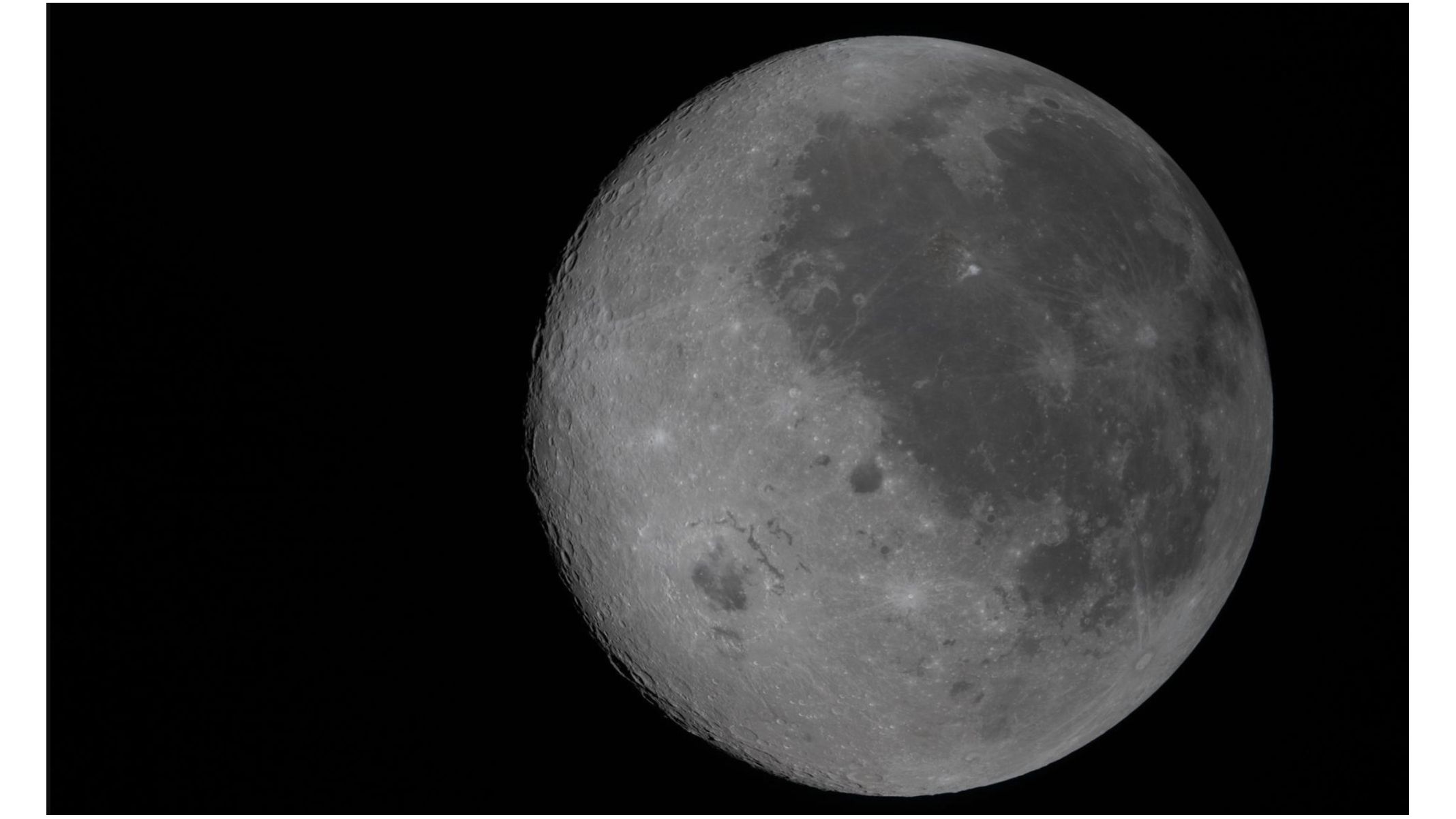
During the mission, the astronauts observed the lunar surface, focusing on features like the Oriental Basin, while also capturing extensive photographic data. The flyby not only offered unprecedented views of the moon but also presented a research opportunity, allowing astronauts to detect details that robotic cameras might miss.
Simultaneously, the crew witnessed a unique solar eclipse that lasted longer than typical views from Earth, providing insights into the sun’s corona. As they concluded the flyby, the astronauts reported numerous impacts on the moon’s surface, further enriching the scientific community’s understanding.
With the flyby complete, Artemis 2 transitioned into its return phase, set to splash down off San Diego on April 10, 2026. This mission paves the way for Artemis 3, anticipated to launch in 2027, aiming to establish a lunar base near the south pole with future missions planned through 2028.
