



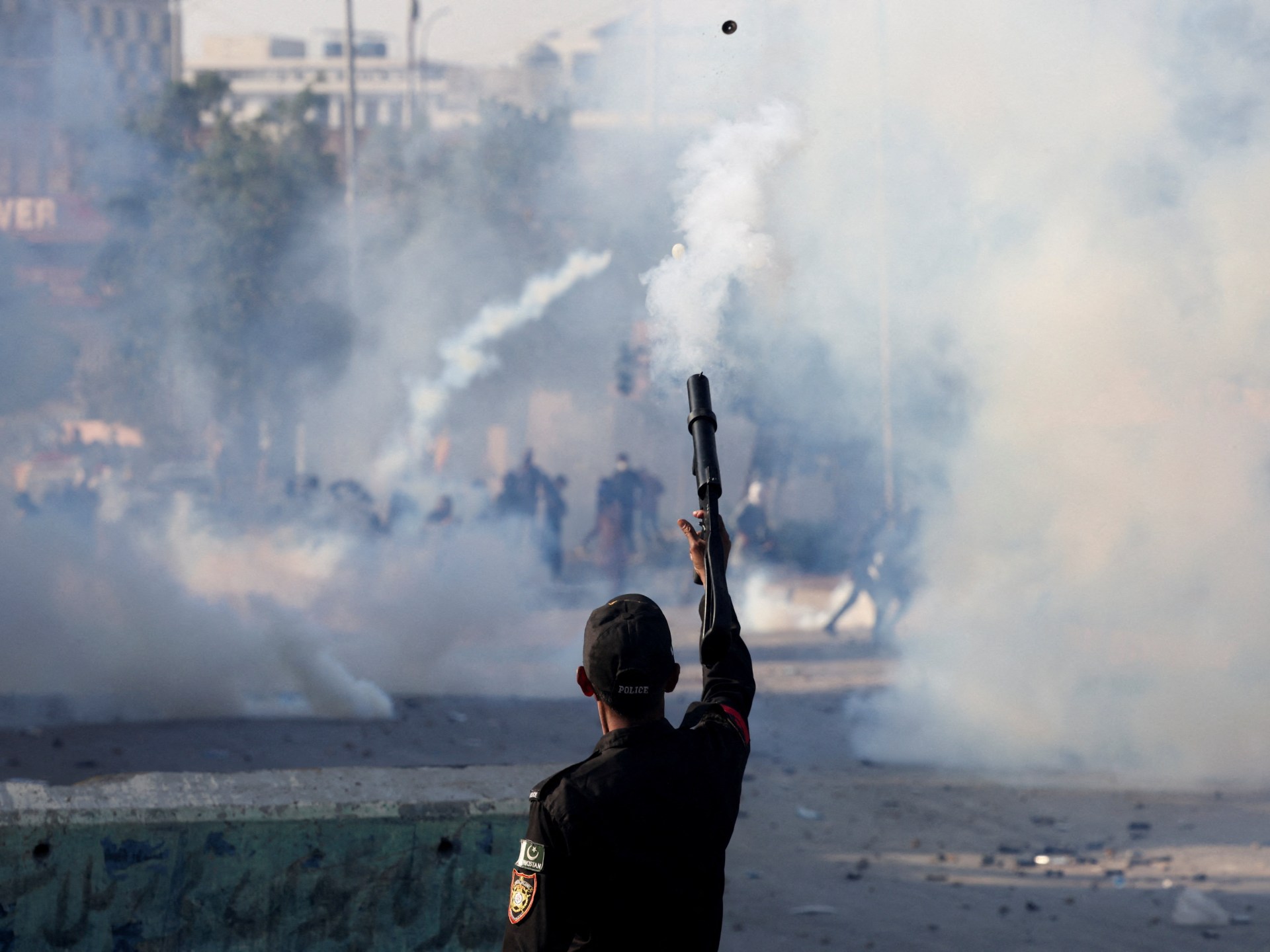
Protests erupted across Pakistan on Sunday following the confirmed killing of Iranian Supreme Leader Ayatollah Khamenei in a US-Israel airstrike, resulting in at least 20 deaths and numerous injuries. The unrest was predominantly led by Pakistan’s Shiite Muslim community, which, despite being a minority in the predominantly Sunni country, rallied in significant numbers, especially in major cities like Islamabad and Karachi.
In Islamabad, thousands gathered near the Red Zone, chanting anti-US slogans and demanding vengeance against Israel. Tensions escalated as security forces clashed with protesters, using tear gas and rubber bullets. Demonstrators expressed feelings of betrayal by their government, stating they were organizing to honor Khamenei’s death amidst harsh repression.
Karachi witnessed the most violence, with ten fatalities reported as crowds surged towards the US consulate and clashes erupted, prompting a call for an investigation from local authorities. Tensions were also high in Skardu, where protests led to additional fatalities, resulting in a three-day curfew imposed.
Despite the unrest, Pakistani officials, including Prime Minister Shehbaz Sharif, condemned the attack on Khamenei, calling for peaceful protests and expressing solidarity with the Iranian people. The government emphasized the importance of maintaining peace, given the delicate regional dynamics and Pakistan’s long-standing relationship with Iran.
Source link
