



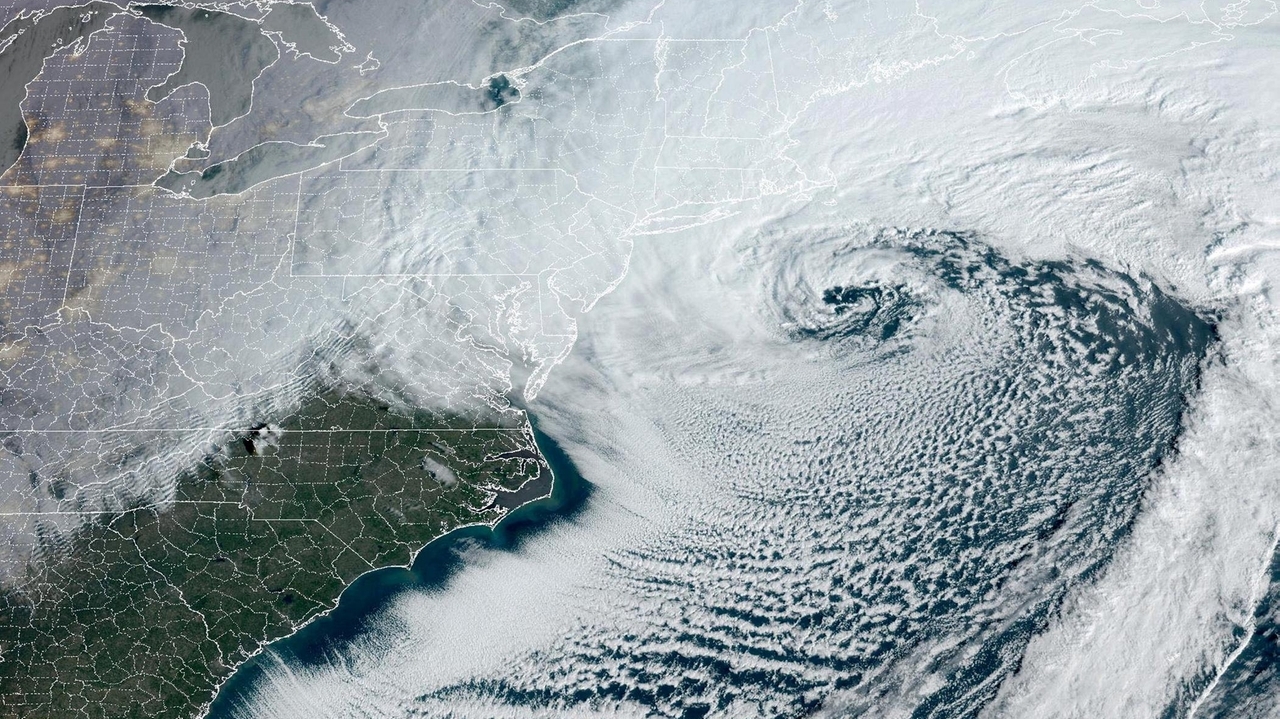
The article discusses the paradox of increasing snowfall and powerful winter storms, like the recent record-breaking snowstorm on Long Island, against the backdrop of global warming. Despite climate models predicting less snow overall, experts note that severe winter storms, known as nor’easters, can still produce significant snowfall given the right conditions.
Recent studies indicate that while Long Island has fewer snow days than in the 1960s, the intensity of snowfall on those days has increased. An analysis of historical data shows that the strongest nor’easters are becoming more powerful, with wind speeds rising significantly, leading to greater potential for destruction.
Future projections suggest Long Island will experience fewer extremely cold days and wetter winters, with an increase in precipitation expected. However, much of that precipitation may fall as rain rather than snow. The atmospheric capacity to hold water vapor may lead to heavier snowfall on colder days, even if those days become less frequent.
Experts emphasize that while climate change may make snowy days rarer, the potential for major snowstorms remains if conditions align favorably. Robust weather systems still exist, and warming ocean temperatures could contribute to stronger nor’easters, paralleling trends seen in hurricanes.
Source link
