



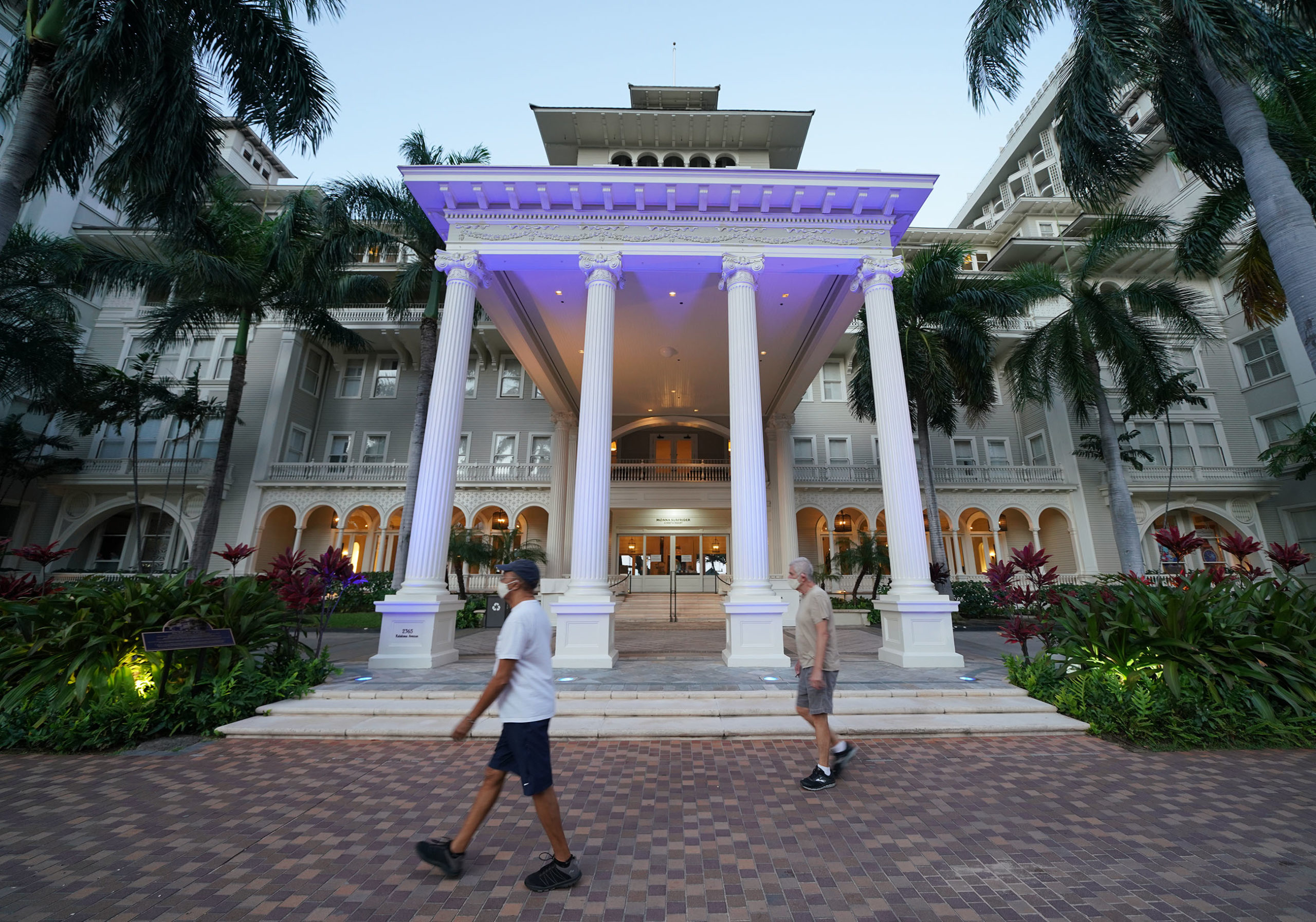
The Moana Surfrider, poised to celebrate its 125th anniversary, stands as a historical and architectural landmark in Waikiki. Though celebrated for its beauty and legacy, the hotel embodies a troubling narrative about the displacement and transformation of Hawaiian culture. Originally opened in 1901, it marked a shift in Waikiki from a royal retreat to a tourist hub, reinforcing power dynamics that favored elite interests.
The hotel was part of a broader change driven by powerful business entities, exemplified by the relationship between the hotel and the Matson Company, which catered to wealthy tourists. This history reflects colonial practices and systemic inequalities, as highlighted by scholars like Sarah Miller-Davenport, who noted that such resorts were designed to exclude marginalized groups.
Despite its historic charm and emotional significance to many, the Moana’s legacy prompts critical reflection on Hawaii’s past, including the discussion of who truly benefited from the islands’ transformation and who suffered the consequences. As the anniversary approaches, the author urges individuals to consider the implications of celebrating such landmarks, emphasizing the need to recognize the complex history surrounding them, rather than simply toasting their grandeur.
Source link
