



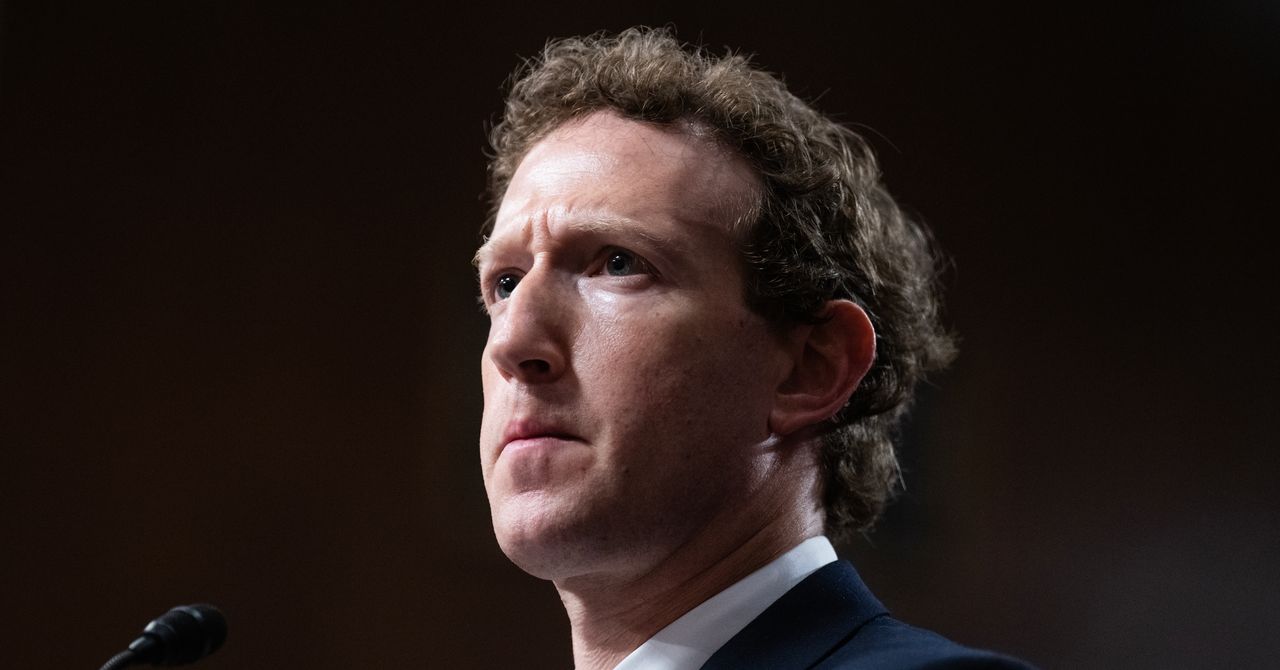
In a courtroom session, Mark Zuckerberg faced questioning from Jaron Lanier regarding his statements that contradicted previous claims, labeling some as “false.” Zuckerberg often deflected inquiries about emails, citing their age or his lack of familiarity with certain Meta employees, like Karina Newton. He humorously acknowledged his struggles with media interactions, prompting laughter from the courtroom.
Lanier pointed out that Zuckerberg’s responses seemed rehearsed, presenting a document highlighting Zuckerberg’s communication strategy during sworn testimony. Zuckerberg admitted needing to engage with the media more than he’d prefer. In a peculiar moment, court security enforced a ban on recording glasses sold by Meta, highlighting the courtroom’s strict rules.
The KGM lawsuit is notable for bypassing Section 230, which shields tech companies from liability for user content. Zuckerberg framed the case as a misunderstanding of how Meta operates. When Lanier presented evidence of Meta’s efforts to increase user engagement, Zuckerberg claimed the company had moved away from that goal, dismissing it as merely an industry competitiveness indicator.
Lanier countered by discussing age-restriction policies on Instagram, noting Meta’s past inability to enforce them effectively. He referenced his own early use of Instagram, suggesting a lack of compliance with age policies.
As Lanier concluded, he unveiled a massive display of posts from the KGM Instagram account, emphasizing the time invested in the app, to which Zuckerberg responded by questioning the ownership of those photos. In response to alternative views of Meta presented by the defense, Zuckerberg reiterated the company’s intentions of providing a good user experience, framing engagement as a natural outcome of value.
Source link
