



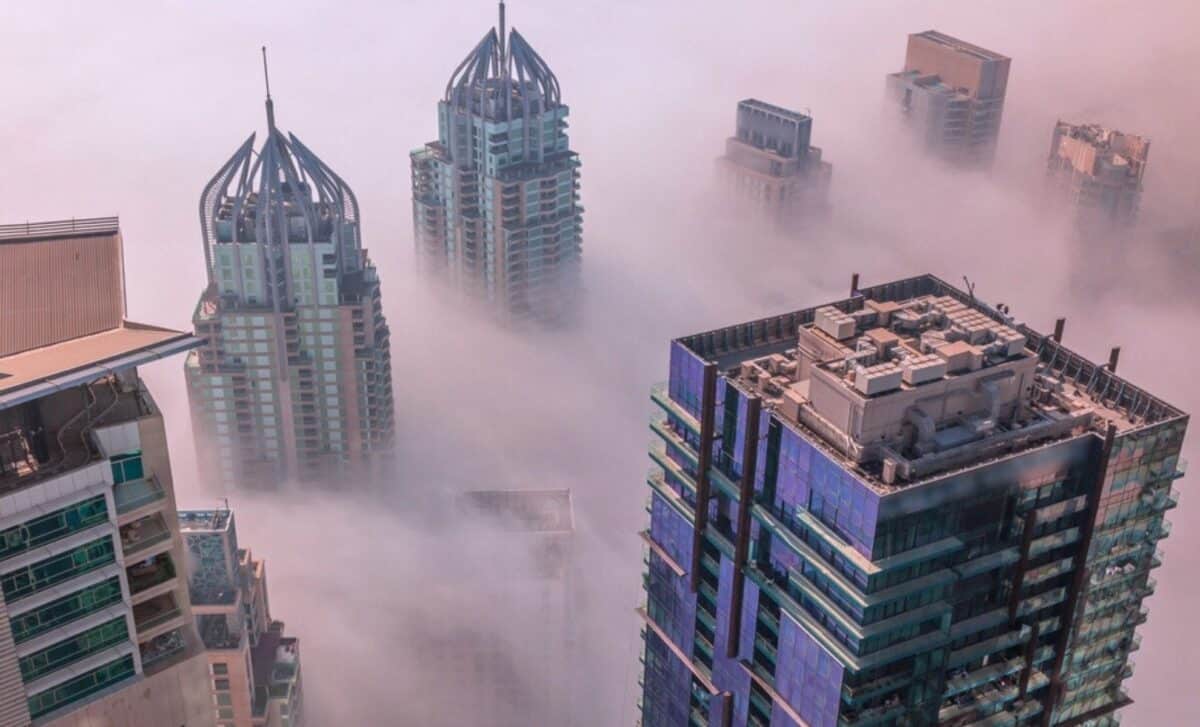
A recent analysis published in Nature Communications reveals significant global disparities in climate change vulnerability, particularly emphasizing that urban areas in the tropics will face increased exposure to extreme heat and heavy rainfall over the next 70 years. Regions in South Asia, Africa, and South America are expected to endure extreme environmental stress, risking human health and survival as many cities lack the necessary infrastructure and funds to adapt, leaving millions at risk.
Projections indicate that by 2100, many tropical regions will regularly exceed a heat index of 103°F (39.4°C), classified as "dangerous" by the National Weather Service. This scenario is likely to occur even if global warming is limited to the Paris Agreement target of 2°C. Areas such as India, Pakistan, and parts of Africa may face "very dangerous" heat indices exceeding 124°F (51.1°C), increasing the risk of fatal heat-related illnesses.
Furthermore, a study in Nature Geoscience forecasts a 41% rise in extreme daily rainfall by 2100 under high-emission scenarios, particularly affecting regions in South America, India, and Southeast Asia. This will strain urban infrastructures, where inadequate drainage systems could make large areas uninhabitable.
Another study published in Scientific Reports highlights that 217 cities could breach the average annual temperature of 29°C by 2100, affecting over 320 million people, primarily in Asia and Africa. The risk factors include high temperatures, lack of cooling resources, and rapid urban growth.
In Bangladesh, cities like Dhaka are already experiencing challenges due to frequent flooding and groundwater issues, prompting migration to urban centers despite increasing risks. Overall, national climate strategies are often poorly implemented at the city level, particularly in lower-income regions, resulting in high vulnerability to climate impacts. While high-income areas have made progress in adaptation measures, many cities still face significant challenges in preparing for future climate scenarios.
