



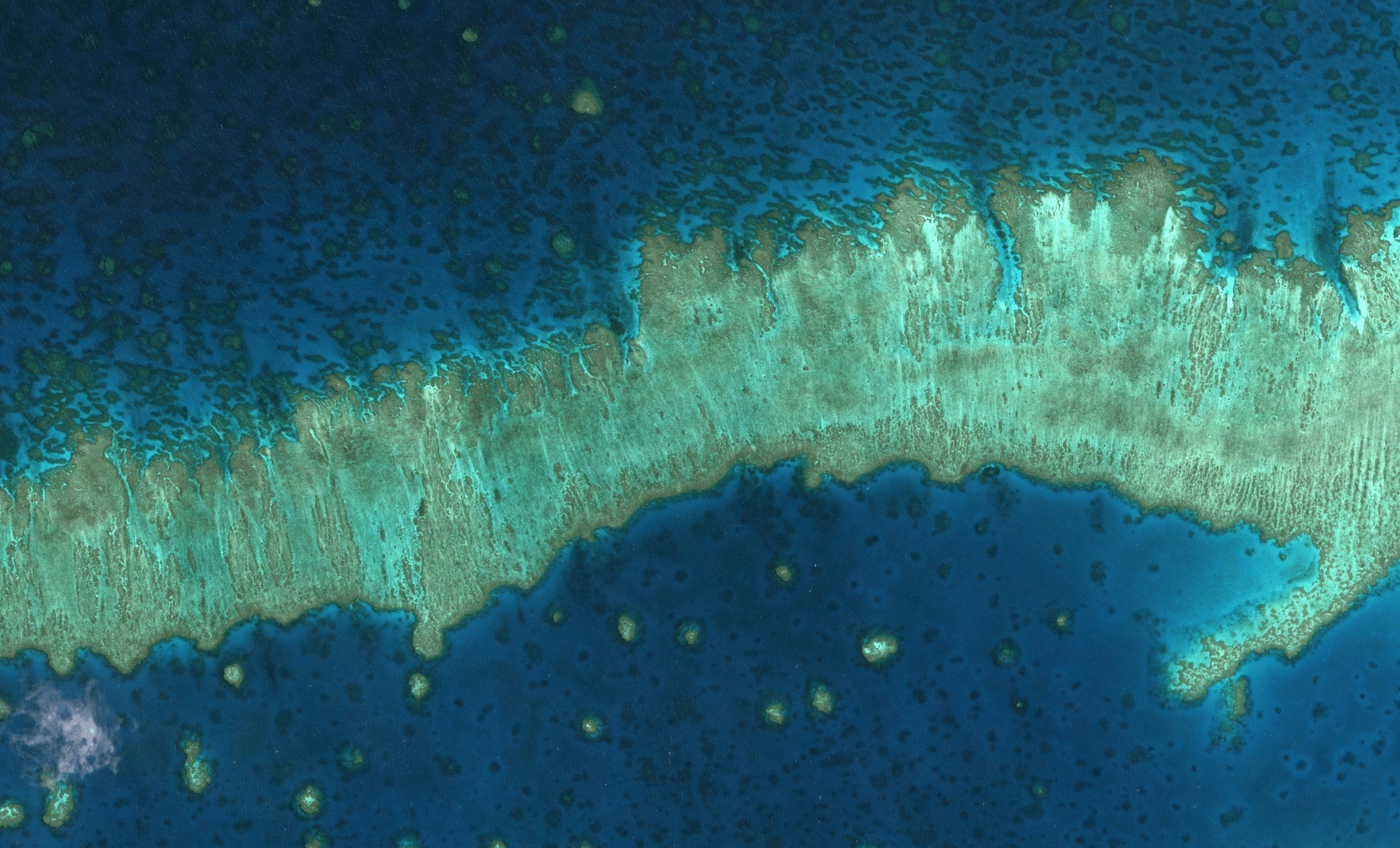
Tropical coral reefs are under immense threat and may face irreversible collapse as soon as 2026, according to a recent analysis from The Conversation. Despite covering less than 1% of the ocean floor, coral reefs support nearly 25% of all marine life, making them vital to global biodiversity and human well-being. The current rise in ocean temperatures, driven by accelerated warming and frequent El Niño events, diminishes the reefs’ ability to recover from heat stress.
Record sea temperatures are expected to cause mass bleaching in at least 83 countries, with fears that the next El Niño will further prevent coral recovery. When reefs bleach, they expel symbiotic algae, becoming vulnerable to algae takeover, which can lead to ecosystem collapse as essential species die off and biodiversity declines.
Although some coral species show resilience—like those in the Gulf of Aqaba and Madagascar—overall survival depends on mitigating broader threats like ocean acidification and pollution. Local conservation efforts, such as improved fisheries management in Mesoamerican reefs, offer hope by addressing local stressors.
The article calls for three strategic actions: reducing carbon emissions, managing local ecosystems, and selectively breeding heat-tolerant coral species. As 2026 approaches, urgent action is necessary to prevent simultaneous global coral collapse, underscoring that the future of these ecosystems relies on our actions today.
Source link
