



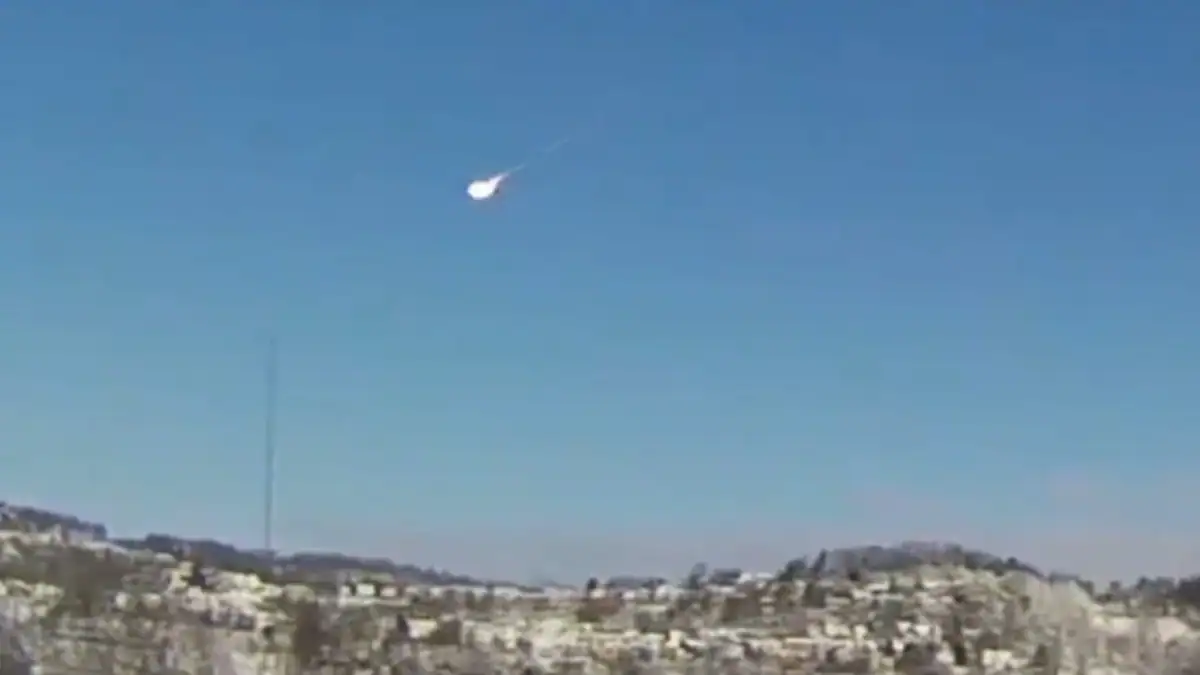
In March 2026, a one-ton meteor broke apart over a home near Houston, creating a substantial sonic boom and highlighting a surge in meteor activity. The American Meteor Society (AMS) reported a noteworthy increase in large, bright meteors, referred to as fireballs, with over 2,046 incidents recorded in the first quarter—about the same as the previous year but with larger debris.
Significant events included a fireball seen by over 3,200 people across several European nations and a 7-ton asteroid over Ohio. Observations indicate that meteor sightings have drawn more witnesses than usual, suggesting a fundamental change in the type and size of meteors entering Earth’s atmosphere.
Astronomers tracked these fireballs to two clusters in the sky, particularly one region called Anthelion, showing a doubling in activity early in 2026. Unlike predictable meteor showers, this surge seems to stem from a broader cosmic background rather than from a specific comet.
Researchers conducted analyses of the meteorites recovered from the event, identifying them as achondrites formed from ancient asteroids. The increase in sightings may partly be attributed to more people reporting them, possibly due to the accessibility of information through AI.
The rise in such events underscores gaps in planetary defense and calls for improved detection systems, including automated all-sky cameras to monitor meteor trajectories better. As Earth encounters these larger and more frequent meteors, continued observation and analysis will be crucial for understanding their origins and potential implications.
Source link
