



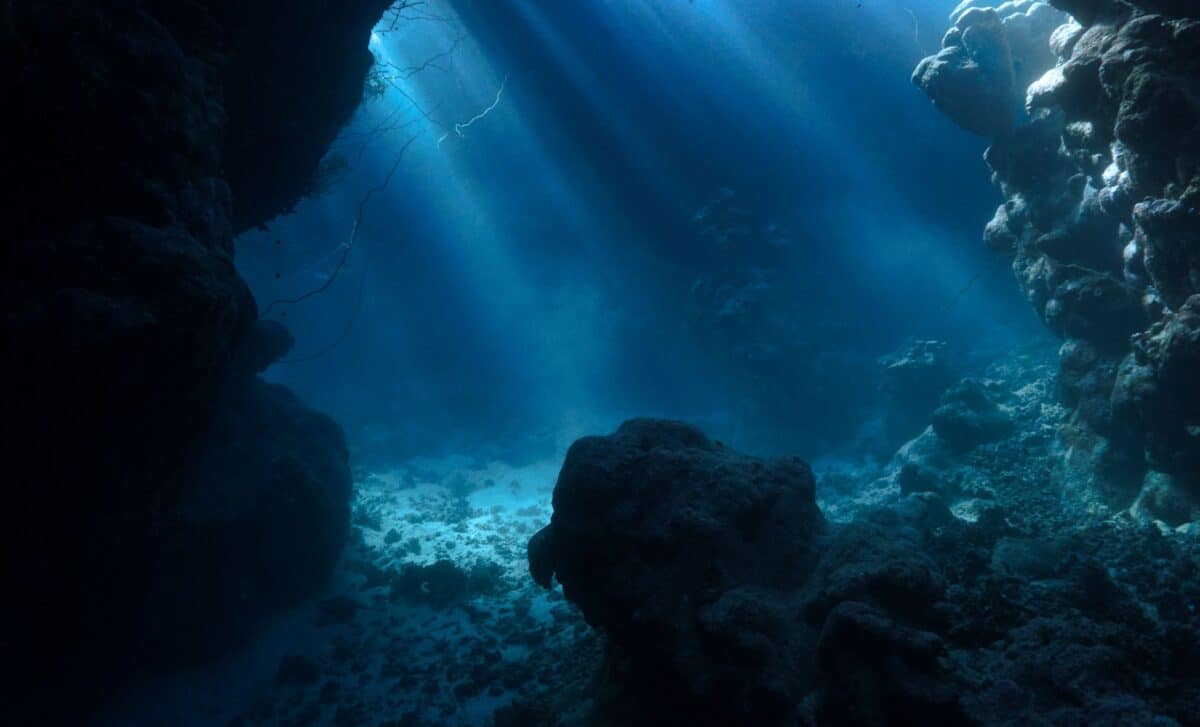
A recent deep-sea expedition off Argentina, led by the Schmidt Institute for Oceanography aboard the Falkor vessel, has uncovered a surprisingly rich marine ecosystem filled with numerous potential new species. Initially focused on cold water seeps—areas where chemical releases support unique microbial communities—the mission revealed a broader diversity of life than anticipated.
The research team found that biodiversity is more widespread across the ocean floor rather than limited to isolated chemical hotspots. Lead scientist María Emilia Bravo expressed excitement over the unexpected levels of life in the deep sea, indicating a greater ecological connectivity than previously understood.
Notably, the expedition identified 28 potentially new species—including snails, sea urchins, and worms—within the largest known coral reef of its kind, roughly the size of Vatican City. This reef serves as a crucial habitat for various marine organisms.
Additionally, researchers spotted rare species like the giant jellyfish (Stygiomedusa gigantea) and documented Argentina’s first deep-sea whale fall, which has created a temporary ecosystem supporting diverse marine life. Jyothika Virmani, the executive director of the institute, emphasized the ocean’s immense biodiversity, noting its significance compared to land ecosystems.
Source link
