



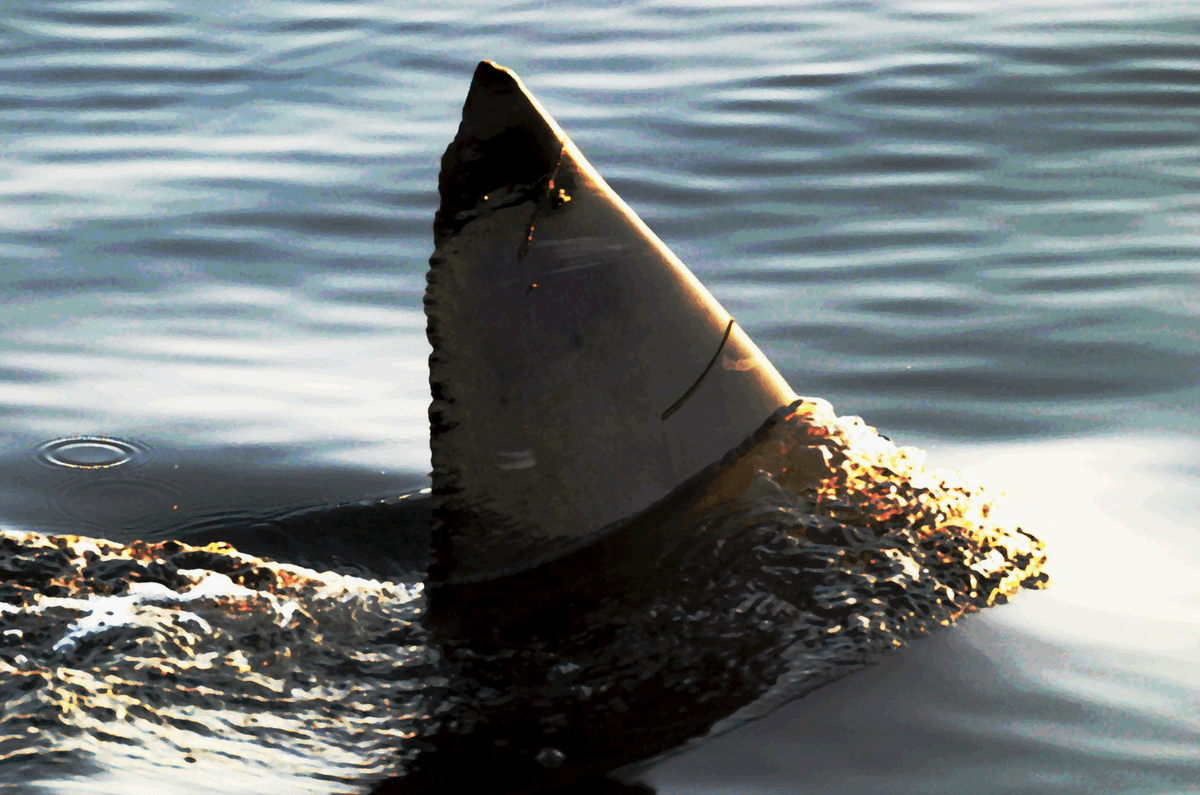
In 2004, fisheries biologist Greg Skomal experienced a real-life Jaws moment when a great white shark, named Gretel, wandered into a small saltwater pond off Naushon Island near Woods Hole, Massachusetts. This was a unique opportunity to gather scientific data, as it marked the first satellite tagging of an Atlantic great white. However, despite efforts to free her, Gretel remained trapped in the lagoon for two weeks.
Word quickly spread, drawing crowds eager to see her. Various methods were attempted to lure her back to the ocean, including food trails and noise, but none proved effective. Eventually, Skomal and local fishermen devised a plan to use nets and powerful water pumps to guide her back into deeper waters.
After two weeks in confinement, they successfully returned her to the open sea. Skomal noted that despite the shark’s dangerous reputation, she did not pose a threat to humans during her stay. The encounter helped promote understanding and respect for sharks. Unfortunately, the tracking tag malfunctioned, and Skomal never received data on Gretel’s movements after her release. Over the following years, sightings and tagging of great white sharks in New England increased significantly, surprising him.
This experience highlights the complex relationship humans have with these apex predators and the importance of their conservation.
Source link
