



Hawaii’s hotel tax currently stands at approximately 19%, encompassing various levies, including a new tax called the Hawaii Green Fee, introduced on January 1. This fee is positioned as a way for visitors to help protect Hawaii’s beaches and combat issues like erosion and climate change.
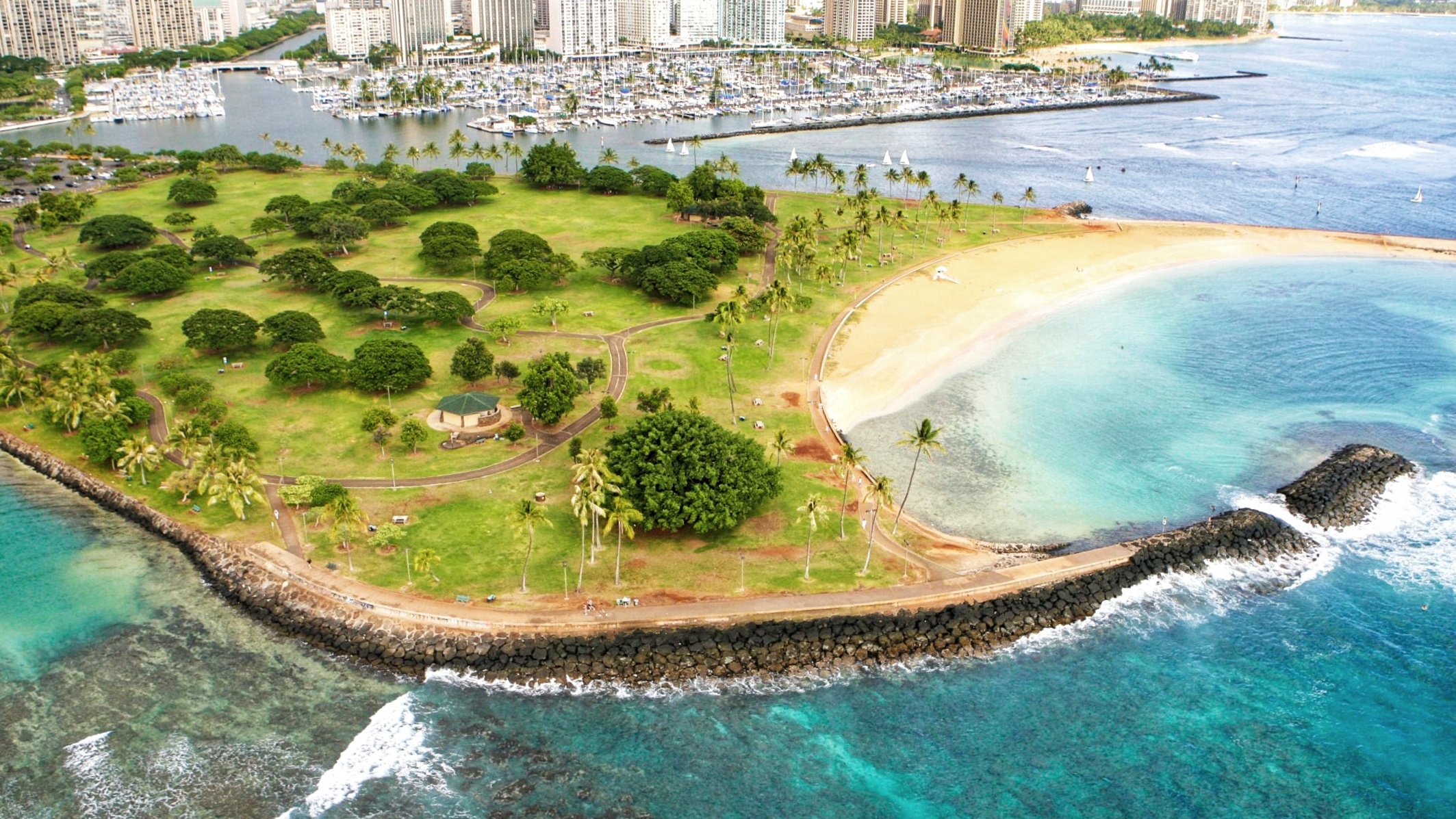
Recently, the first round of spending from this fund was announced, allocating $42.2 million primarily for projects in Waikiki and Ala Moana, despite the funding actually coming from general state borrowing rather than directly from the green fee. The largest projects include $7 million for groin stabilization in front of the Halekulani Hotel and $6.8 million for beach replenishment at Ala Moana.
Though Waikiki’s importance to Hawaiian tourism is acknowledged, the reluctance to allocate resources to areas facing severe erosion, like Kahana and the North Shore, raises concerns. Community members there have been battling shoreline loss for years with little support visible in the funding list.
The overall funding mechanism shows that while tourists will be paying increased taxes labeled as green fees, these funds may not directly support beach preservation as promised. Instead, they will be linked to general state obligations, calling into question the effectiveness and transparency of the funding strategy.
Furthermore, the recent legal challenges have placed a freeze on taxing cruise ships, which could further shrink the revenue expected from the green fee. Overall, stakeholders are left to wonder whether the focus on Waikiki is justified when other areas in dire need of attention are overlooked. The essential inquiry remains whether the prioritized projects reflect the true intent of the green fee implementation.
Source link
