



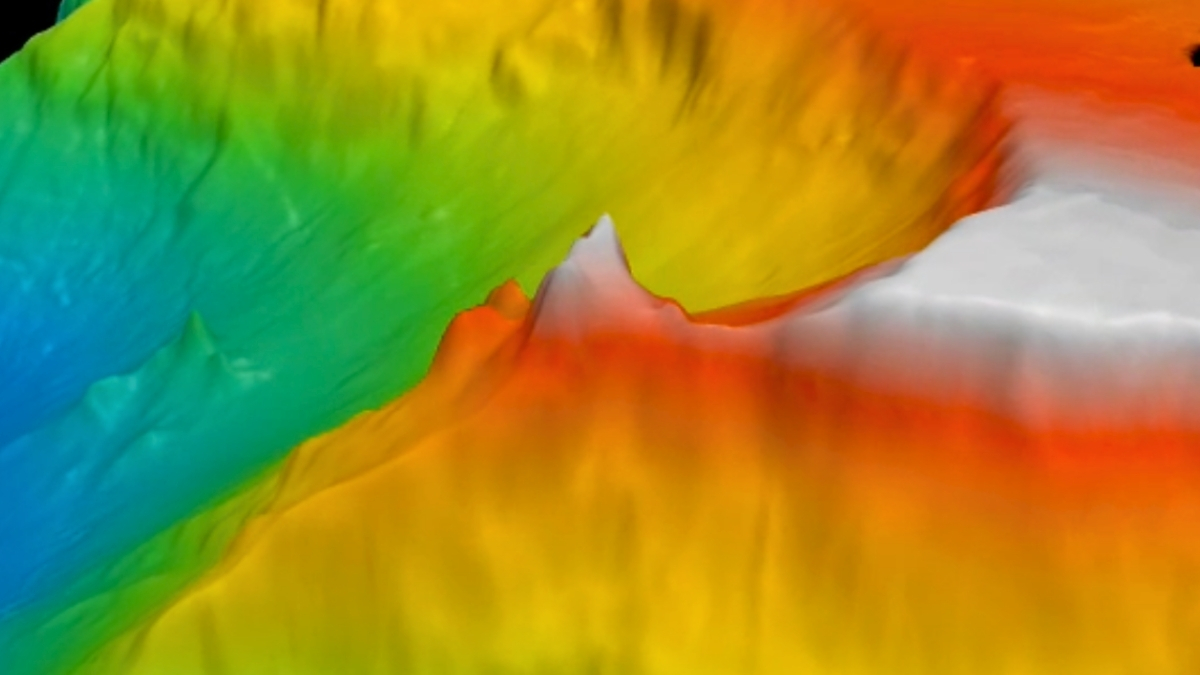
The Lost City hydrothermal field, discovered in 2000 near the Mid-Atlantic Ridge, features towering carbonate structures that rise about 700 meters (2,300 feet) underwater. This unique ecosystem, active for at least 120,000 years, releases hydrogen and methane from the interaction of uplifted mantle with seawater, supporting diverse microbial life even in oxygen-deprived conditions.
Researchers recently recovered a 1,268-meter core sample from the site, which may provide insights into the origins of life on Earth. Unlike other hydrothermal vents like the Black Smokers, the Lost City does not rely on magma heat and produces significantly more hydrogen and methane.
Scientists emphasize the need to protect this ecosystem, especially as Poland has acquired deep-sea mining rights in the area, posing potential threats to its habitat. Experts are advocating for its designation as a World Heritage Site to preserve this remarkable underwater environment before it is irrevocably harmed.
Source link
