



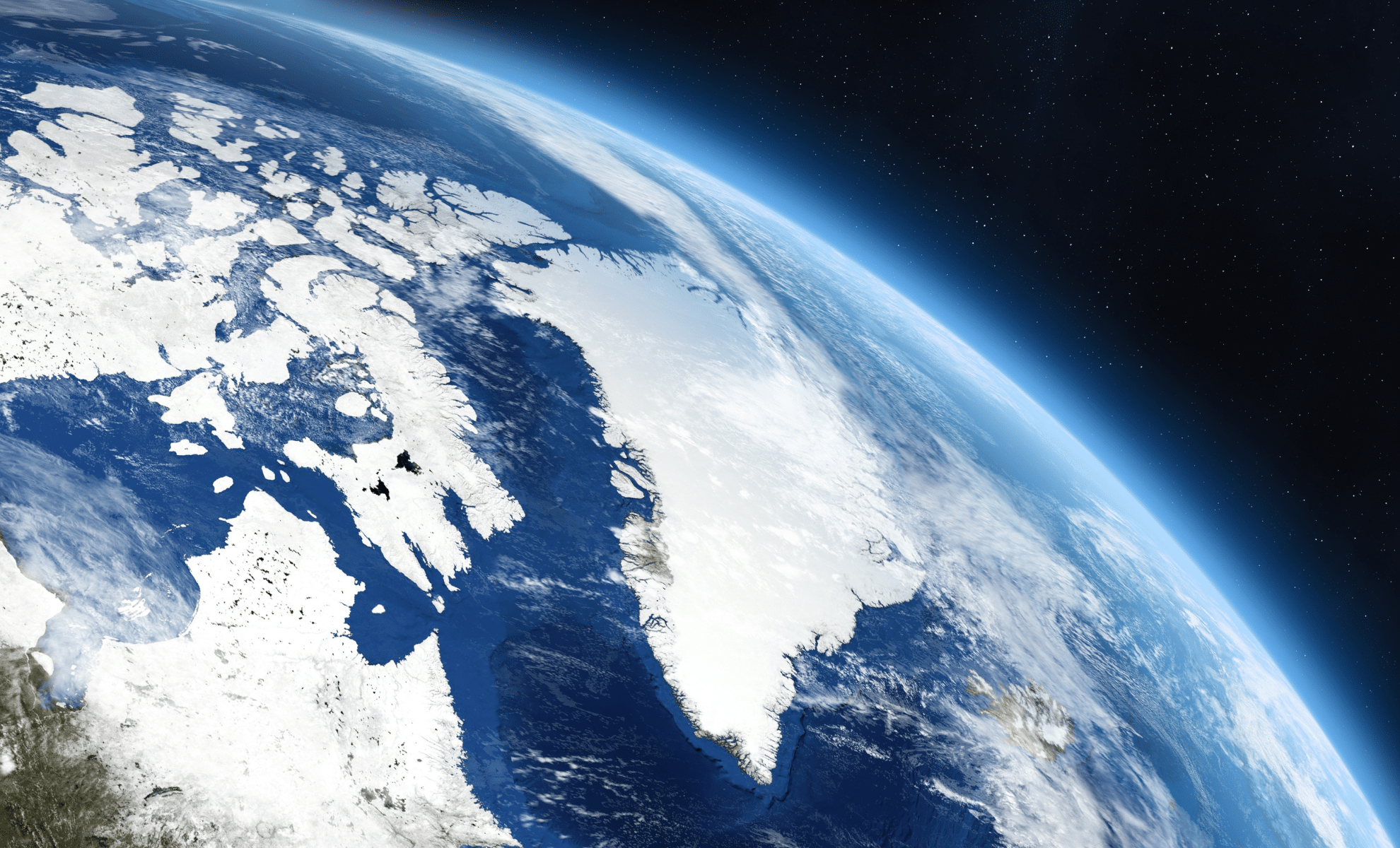
A recent study in the journal Geology by scientists at the University of California, San Diego (UCSD) reveals that Greenland’s ice loss may be accelerating due to previously hidden factors beneath the ice. By using seismic waves from earthquakes, the researchers mapped the subsurface of Greenland, uncovering varying geological materials that significantly influence glacier movement.
The study highlights that the ice doesn’t just melt from above but also moves based on the underlying conditions. Regions with smoother bases allow ice to flow toward the ocean more rapidly, feeding outlet glaciers and transporting ice. The interaction between temperature, meltwater, and these subsurface materials complicates predictions of future sea-level rise.
Currently, Greenland has contributed approximately 0.43 inches to global sea level rise from 1992 to 2018. This new understanding indicates that glaciers could be moving faster than previously thought, possibly accelerating future sea-level rise beyond existing models.
The researchers call for a denser seismic network to better understand these complex underground interactions, emphasizing that these "invisible" processes are crucial for predicting the effects of climate change on coastal safety. Their findings aim to enhance future models, providing more accurate forecasts crucial for policymakers and coastal planners worldwide.
