



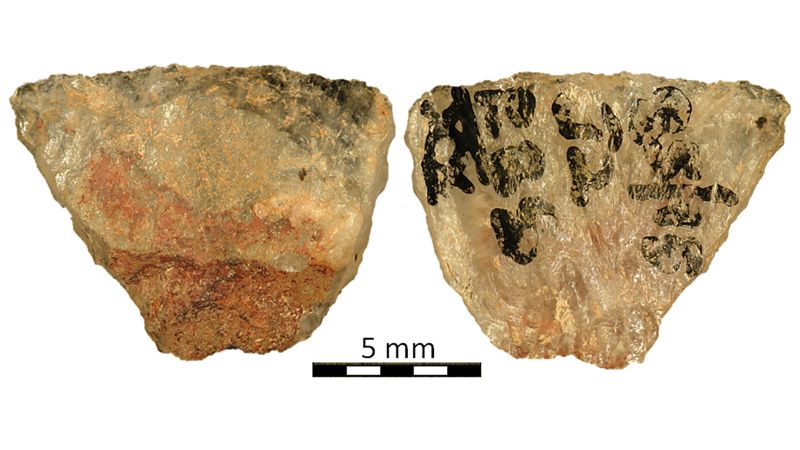
Scientists have found traces of plant toxins on Stone Age arrowheads used by South African hunter-gatherers around 60,000 years ago, marking the oldest known poison dart. This discovery, detailed in a study published in Science Advances, suggests that advanced hunting strategies and tools existed much earlier than previously thought.
Lead author Sven Isaksson emphasized that these poisoned arrows were designed to weaken prey over time rather than kill instantly, helping hunters conserve energy during the chase. The toxins, derived from the Gifbol plant, were applied to quartz arrowheads found in the Umhlatuzana Caves, indicating a sophisticated understanding of plant properties.
The presence of alkaloids like bupandoline and epibufanisin on these arrowheads shows that early humans had complex cultural knowledge and cognitive skills. Chemical analysis revealed these compounds could remain stable over millennia, allowing for their detection despite the age of the artifacts.
Further research indicated that the use of plant toxins for hunting goes back further than previously documented, with earlier evidence found only in much younger artifacts. The insights from this study reinforce the idea that poison in hunting tools was part of a long-standing tradition in human prehistory.
The study also highlights the advanced planning and strategy used by these early hunter-gatherers, distinguishing Homo sapiens from other hominins like Neanderthals. The research team plans to investigate other sites in South Africa to further explore the prevalence of poison arrow use in ancient times.
