



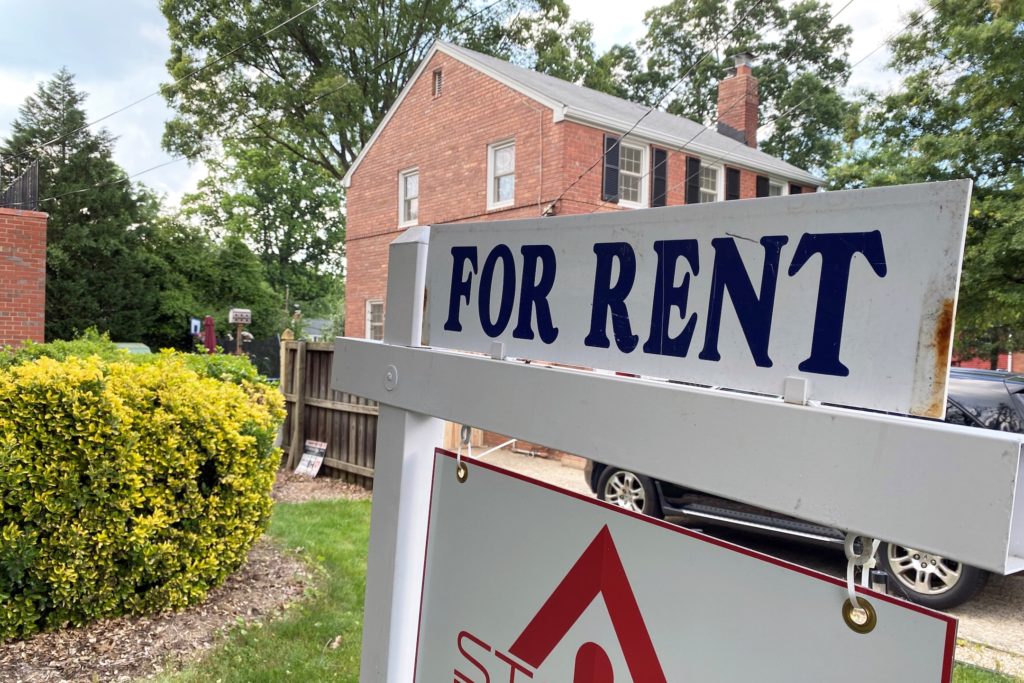
The traditional financial guideline suggests that individuals should spend no more than 30% of their income on rent. However, this advice is increasingly challenged by rising housing costs, with nearly two-thirds of working-age renters projected to be “cost-burdened” by 2023. The 30% rule originated in the late 19th century and was reinforced through various federal housing programs until the 1980s.
Experts maintain that while the rule is still relevant for those with moderate incomes, it becomes less applicable for both low-income and wealthy individuals. A 2018 study illustrated that many households, particularly in high-cost cities, struggle to meet this guideline, often facing deficits in their budgets.
For renters today, financial advisors suggest developing a personalized budget that accounts for all living expenses, while also considering alternatives like the 50-30-20 budget method. Young renters are often advised to be flexible, recognizing that overspending on rent is common in expensive urban areas. Overall, creating a tailored approach to housing expenses is recommended as the 30% rule may no longer be feasible for many.
Source link
