



The article discusses the importance of citizen science in Australia and highlights several engaging projects that allow individuals to contribute valuable data about the environment. Citizen science involves public participation in research, significantly enhancing our understanding of various ecological issues.
-
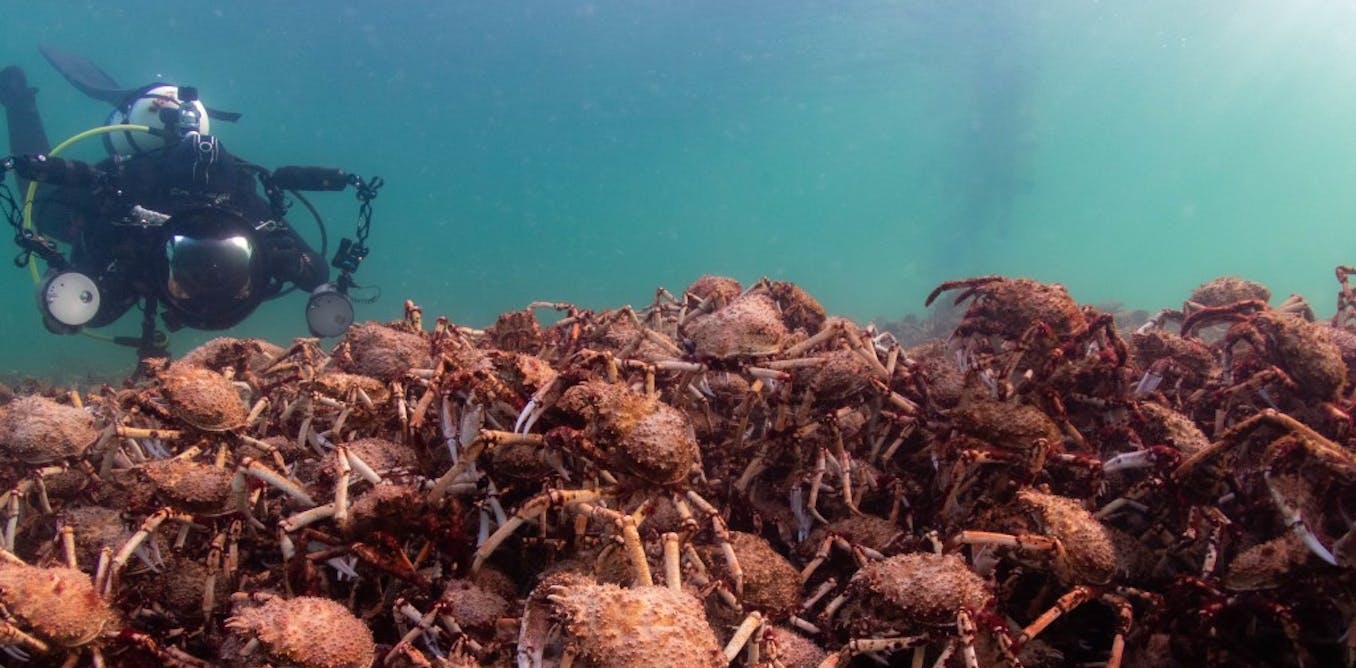
Spider Crab Watch: This project aims to document the gatherings of spider crabs in Port Phillip Bay. Participants can report sightings, which helps scientists learn about the timing, location, and environmental factors influencing these gatherings.
-
NOBURN (National Bushfire Resilience Network): This initiative allows citizens to assess vegetation for bushfire risk using a mobile app. Observations help researchers study fuel dynamics and improve fire risk prediction, especially in areas lacking formal monitoring.
-
FrogID: Given the declining frog populations in Australia, this project collects audio recordings of frog calls to assist in identifying species. The app has over 100,000 users and has generated significant data, including the discovery of previously unknown species.
-
One Million Turtles: Aiming to enhance freshwater turtle populations, this project encourages the public to report sightings of turtles and nests, aiding conservation efforts. Achievements include the rescue of thousands of turtles and protection of nests, significantly impacting population sustainability.
- Australian Leafcutter Bee: This project focuses on the native honey bee species, particularly those that use plant leaves for nesting. Participants can identify the plants these bees utilize, helping to foster habitats for these important pollinators.
Overall, citizen science empowers individuals to contribute to ecological research, supporting conservation efforts and enhancing scientific understanding through simple, community-driven initiatives.
