



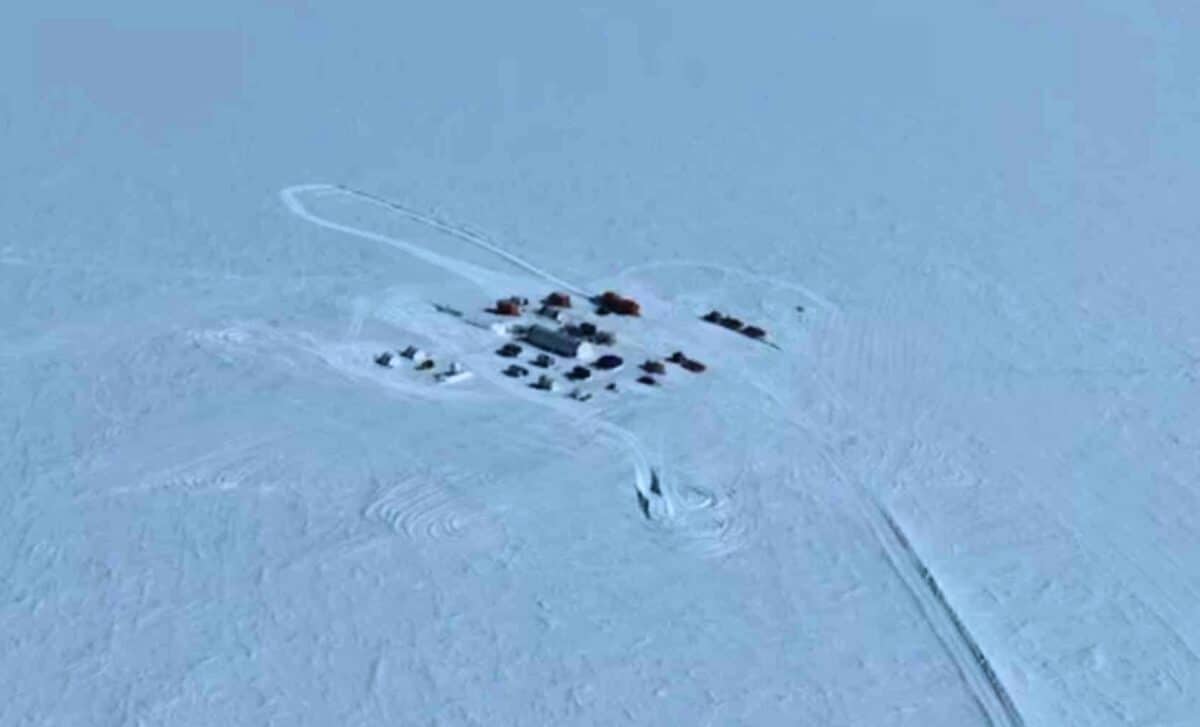
A team of 29 scientists, drillers, and engineers spent nearly 10 weeks living in tents on the snow in one of the most remote camps in Antarctica, successfully retrieving a 228-meter sediment core from beneath the Craley Ice Formation. This undertaking, part of the SWAIS2C project (Sensitivity of the West Antarctic Ice Sheet to 2°C), resulted in the deepest sediment core ever recovered under the Antarctic ice, presenting findings that challenge existing knowledge about the stability of the West Antarctic Ice Sheet.
The team drilled through 523 meters of ice and extracted sediment layers revealing significant variability—from coarse debris to fine mud with marine life fossils. This indicates that the area once experienced open ocean conditions, crucial for understanding how the ice sheet might respond to warming.
Preliminary dating of the core suggests it spans about 23 million years, encompassing periods of significantly higher global temperatures. The West Antarctic Ice Sheet holds enough ice to raise global sea levels by 4 to 5 meters if it melts fully, yet its response to sustained warming remains uncertain. The unique location of the Craley Ice Rise, resting on bedrock, may offer insights into ice stability as it serves as a sensitive indicator of environmental change.
Researchers from around the world will further analyze the core to refine dating, investigate ocean temperatures, and assess past ice sheet dynamics. This project represents a significant advance in Antarctic research, with implications for better predictions of ice melt and its impact on coastal communities, home to around 680 million people.
Source link
