



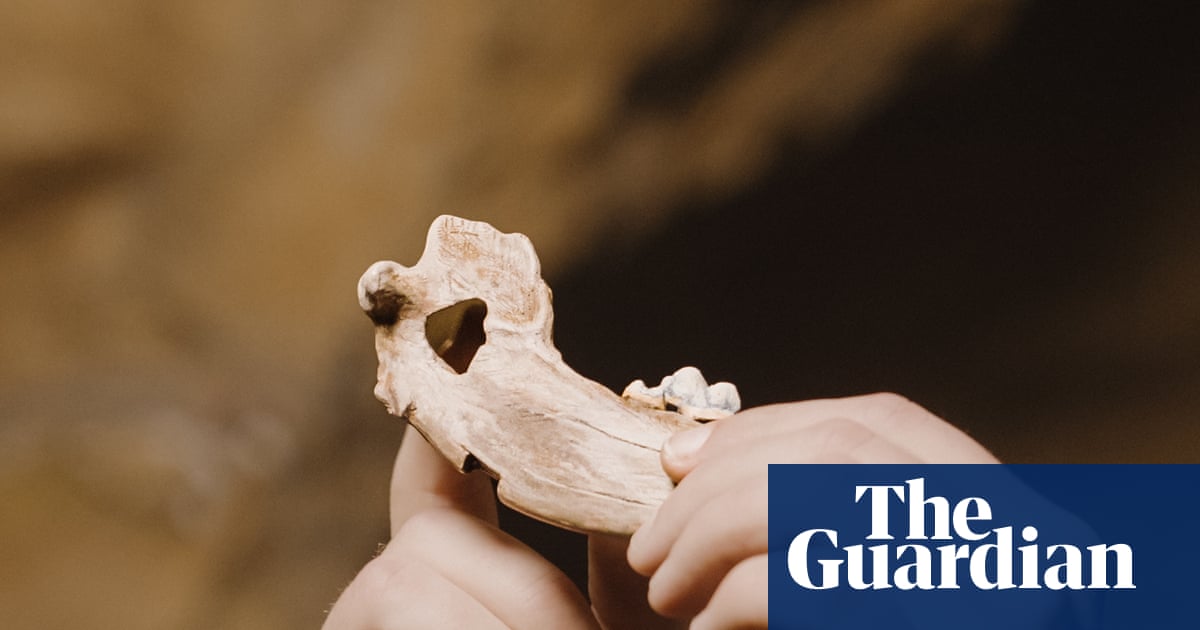
A groundbreaking study published in Nature reveals that the bond between humans and dogs dates back over 15,000 years, with genetic evidence suggesting dog domestication occurred much earlier than previously thought. The oldest specimen, found in Anatolia, Turkey, is around 15,800 years old, buried alongside human remains, while another significant find, a 14,300-year-old jawbone, comes from Gough Cave in Somerset.
The research indicates that by 15,000 years ago, diverse dog lineages existed across Eurasia, potentially during the last ice age—well before other domesticated animals. Previous theories suggested dogs were domesticated from gray wolves about 12,000 years ago, but older genetic evidence had been lacking due to fragmented DNA from ancient bones.
Recent advances in DNA sequencing allowed researchers to identify over 200 ancient dog and wolf specimens, confirming a strong connection between modern European breeds and those that coexisted with ancient hunter-gatherers. The dogs likely resembled small wolves and shared similar diets with humans, indicating they were intentionally fed.
There’s also evidence of emotional bonds, as shown by puppies buried with humans, reflecting the companionship role dogs played. The study indicates that domesticated dogs spread rapidly across Europe and were likely exchanged between groups, underscoring their importance beyond mere companionship—it’s likely they aided in hunting and served protective functions.
