



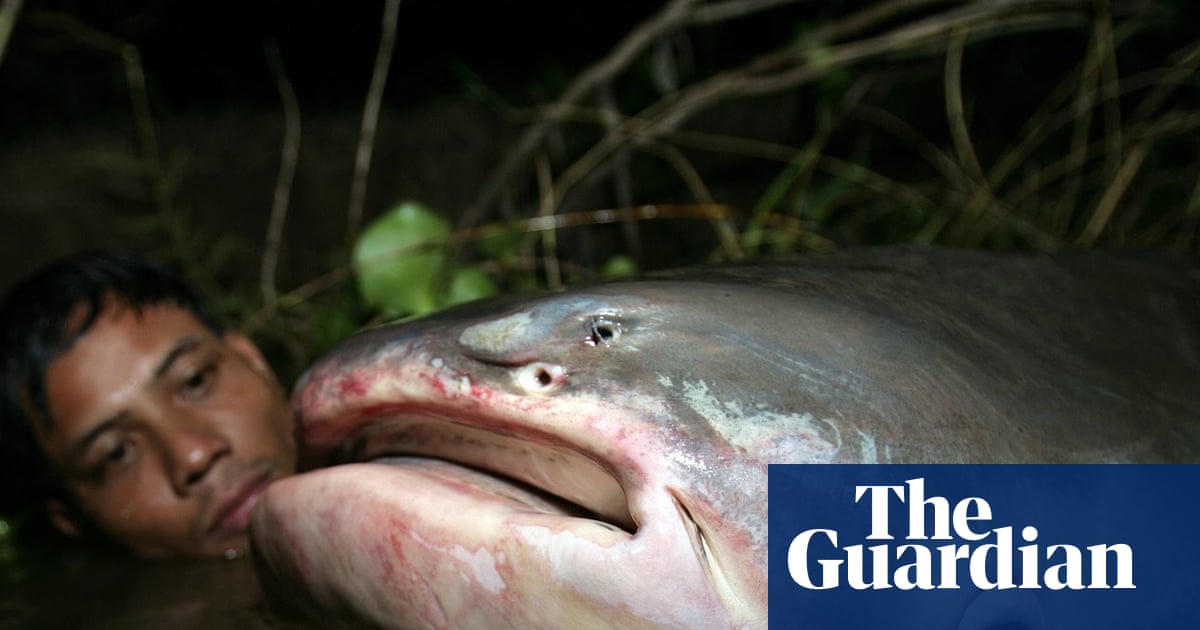
Dr. Zev Hogan from the University of Nevada highlights the impressive yet fragile nature of freshwater fish migrations, particularly emphasizing the dolphin catfish, which undertakes the longest freshwater migration of 7,000 miles from the Andes to the Amazon estuary. An assessment led by Hogan for the United Nations Convention on the Conservation of Migratory Species reveals a staggering 81% decline in freshwater fish populations since 1970, largely due to pollution, dam construction, and overfishing, compounded by climate change.
Hogan and CMS Executive Director Amy Frankel stress the extraordinary resilience of migratory fish, which are crucial for global fisheries and human livelihoods yet face severe threats. The upcoming CMS meeting in Brazil aims to foster international cooperation to address these challenges, such as removing river barriers and tackling pollution.
The report identifies 325 species potentially eligible for protection, underlining the overlooked crisis of river migration. Examples like the goliath catfish demonstrate the interconnectedness of river ecosystems that transcend national boundaries. Countries like Brazil are already proposing action plans to enhance the protection of migratory fish.
Hogan also notes the dire situation in regions like the Mekong River basin, where large migratory species are at risk of extinction, and urges coordinated international efforts for river conservation. Overall, the call to action emphasizes the urgent need for cross-border collaboration to maintain healthy and connected river systems before these critical migrations are lost forever.
Source link
