



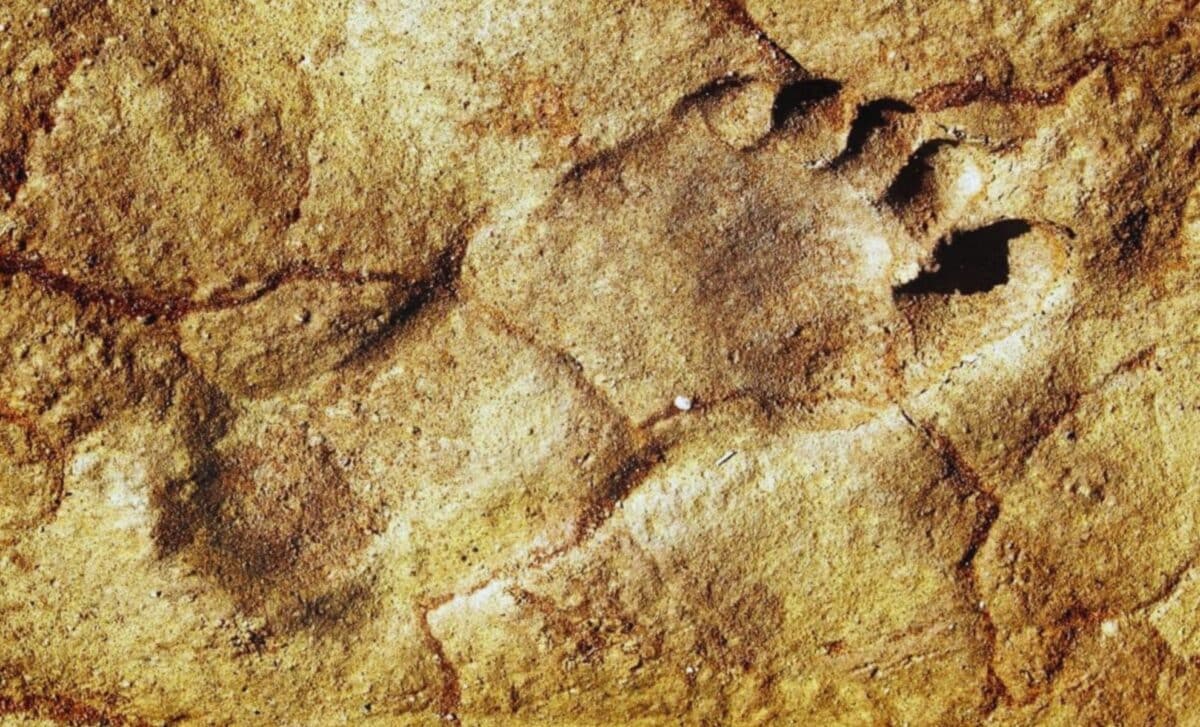
Researchers have found 120,000-year-old human footprints in Saudi Arabia’s Nefd desert, preserved in an ancient lakebed. These traces, left by a small group of Homo sapiens, reveal their movements across a region that was historically wetter and more hospitable than today’s arid environment. This challenges prior assumptions that early humans steered clear of such harsh terrains and indicates they were capable of adapting to and navigating through deserts long ago.
The footprints, likely made by humans who gathered resources by ancient lakes, suggest that Homo sapiens inhabited northern Saudi Arabia much earlier than previously believed. Matthew Stewart from the Max Planck Institute highlighted that these footprints serve as a unique snapshot of prehistoric life, providing insights into their behaviors and migration out of Africa.
Moreover, the discovery emphasizes the ancient landscape’s contrasts with today’s dry conditions, supported by the presence of large animals like elephants and hippos, which indicates a greener, fertile environment that may have facilitated human migration between Africa and Eurasia. This finding suggests the Arabian Peninsula was a vital area for the spread of Homo sapiens, reshaping our understanding of early human migration patterns and their ability to thrive in diverse landscapes.
Source link
