



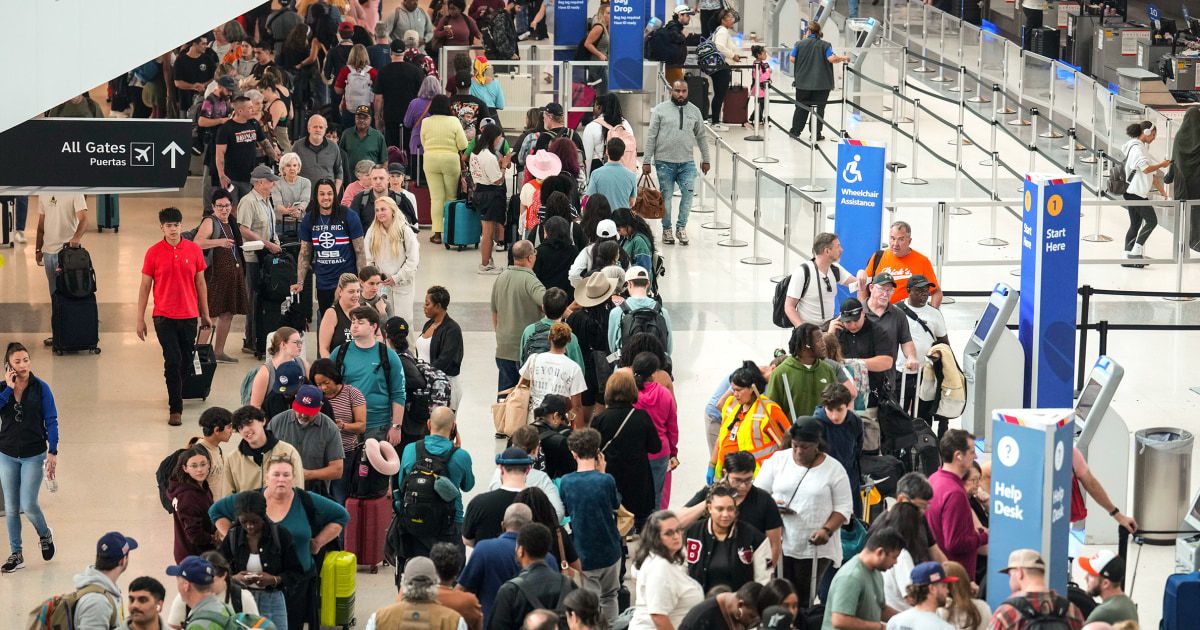
Major airlines and travelers are facing significant challenges this spring due to a partial shutdown of the Department of Homeland Security (DHS), resulting in understaffed airport security checkpoints. This situation coincides with the rising costs of jet fuel linked to the ongoing Iran war, which has led many airlines to reroute or suspend flights through the Middle East.
The busiest travel week for spring break started recently, while many TSA workers missed their first full paycheck due to the shutdown. Federal airport security staff, categorized as “essential,” are required to work without pay. Since February 14, over 300 TSA employees have resigned, and sick leave has dramatically increased at major airports, causing travelers to endure lengthy security lines, often filling entire terminals.
Meanwhile, the conflict in Iran has pushed jet fuel prices to around $3.99 a gallon, nearly double from the previous year. Airlines are now faced with absorbing rising costs or raising fares. Notable increases in ticket prices and fuel surcharges have already been implemented by some airlines. Air New Zealand was among the first to announce price hikes, and Cathay Pacific plans to double its fuel surcharge soon.
Most U.S. airlines do not hedge against fuel price fluctuations, increasing their financial vulnerability. Jet fuel constitutes about 30% of airlines’ total expenditures, and experts warn that without short-term relief, some airlines may need to ground flights. Recent data shows ticket prices for domestic flights have risen significantly, particularly for last-minute bookings.
Airline executives are set to discuss these challenges at an upcoming conference, but the outlook remains uncertain. As one expert noted, the volatility of the market hinges on the conflict and supply disruptions, leaving consumers questioning the best time to buy tickets.
Source link
