



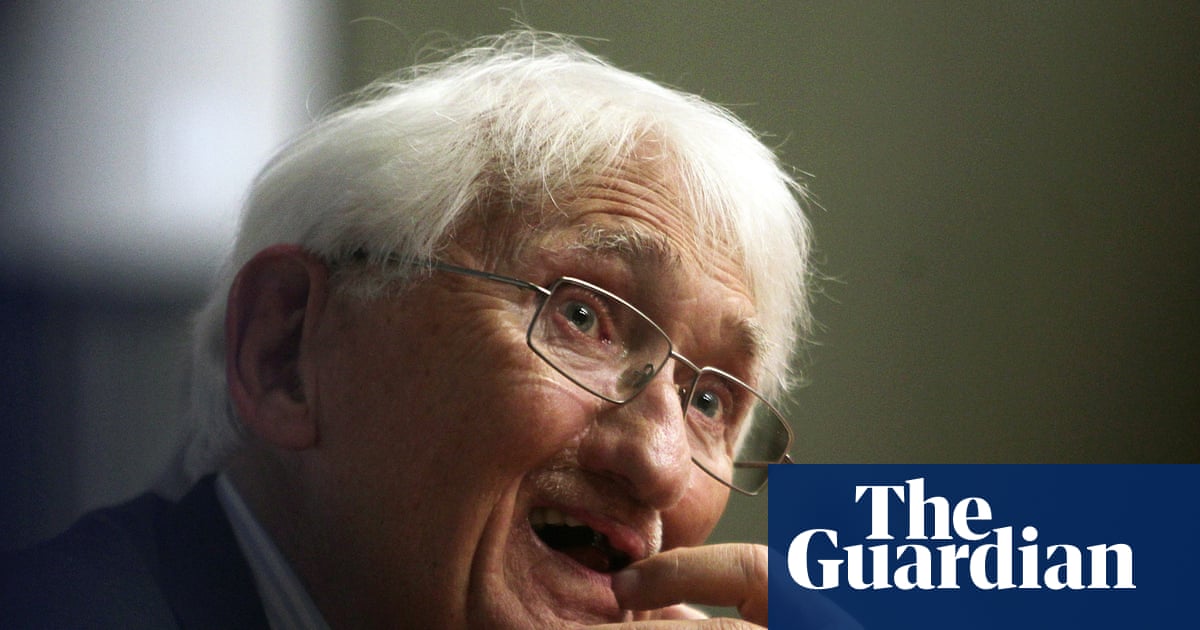
Influential German philosopher and sociologist Jürgen Habermas has died at the age of 96, as announced by his publisher. Renowned for his theory of political consensus, he is viewed as one of the most significant thinkers of the 20th century and contributed to discussions on European integration and the EU’s formation. Though associated with the neo-Marxist Frankfurt School and a social democratic perspective, his impact transcended political boundaries. Friedrich Merz, chancellor of Germany’s Christian Democratic Union, honored him as a vital voice in democratic discourse.
Throughout his 70-year career, Habermas explored social theory, democracy, and the importance of public opinion in sustaining democracy. He remained active in discourse until his later years, notably criticizing politicians, including Merkel during the Greek debt crisis and Green Party Foreign Minister Annalena Baerbock regarding her stance on Russia’s aggression in Ukraine. His support for Israel’s military actions in Gaza drew backlash from fellow intellectuals.
Habermas’s last work, “Things Needed to Get Better,” published last December, reflects his belief in confronting crises rather than succumbing to defeatism. Born into a bourgeois family in Düsseldorf in 1929, he faced early health challenges that shaped his research focus. His experiences during the Nazi regime, including evading conscription, influenced his commitment to confronting political crimes and exploring the nature of communication.
Educated at the University of Bonn, he emerged as a prominent journalist and academic in the 1950s, engaging in pivotal debates about historical memory and the uniqueness of the Holocaust. He advocated for coming to terms with Germany’s past as essential to national identity. Habermas is survived by two of his three children after the loss of his wife, Ute, last year.
Source link
