



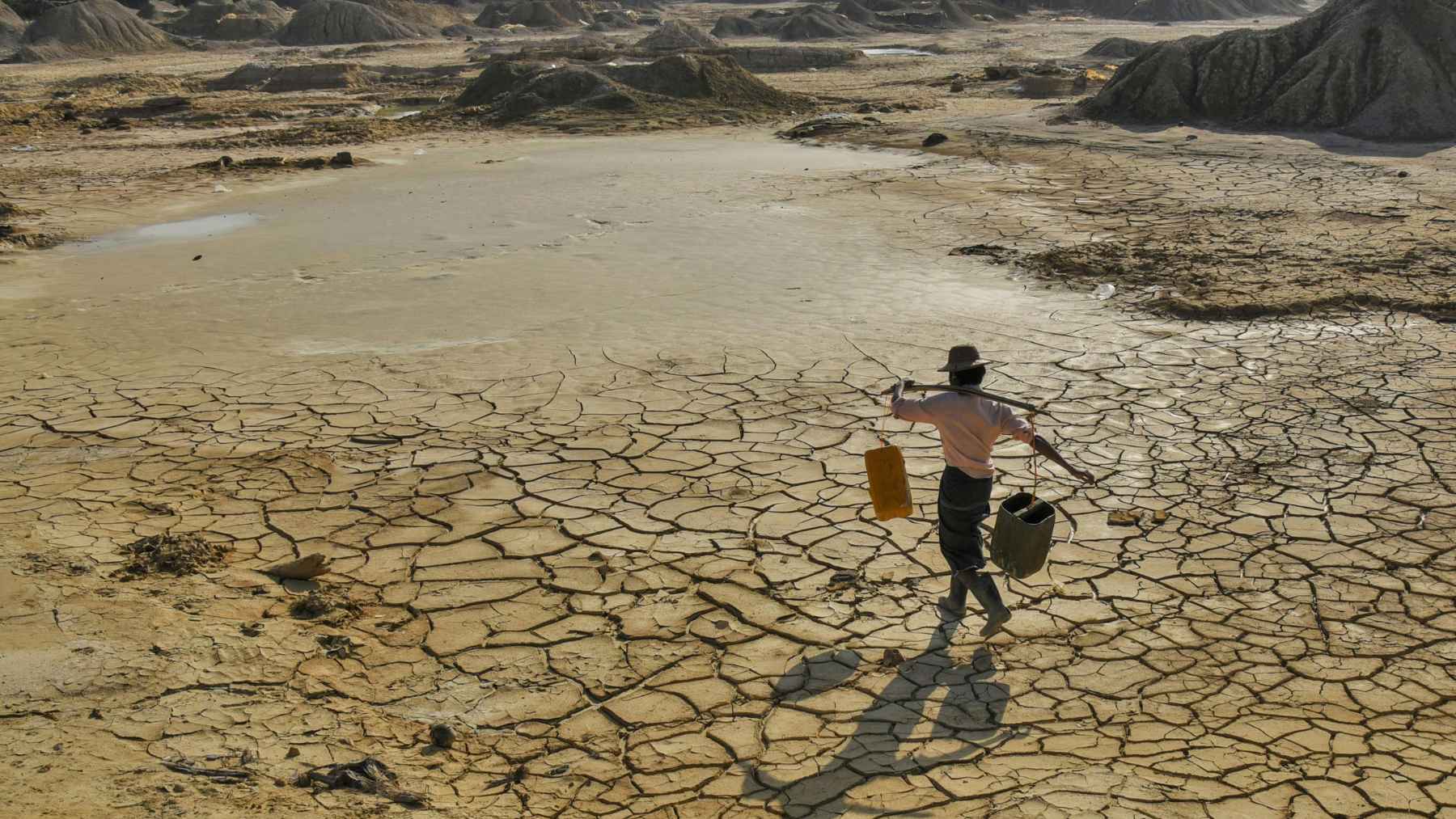
Scientists warn that the world is facing an imminent "day zero drought" crisis, with regions like the Mediterranean, southern Africa, and parts of North America at high risk of water scarcity as early as the 2020s and 2030s. This phenomenon, characterized by a significant gap between water demand and sustainable supply, gained attention during Cape Town’s water crisis, where taps were turned off due to prolonged drought.
A new study uses climate simulations to predict when these droughts might first occur, estimating that three-quarters of drought-prone areas will face unprecedented water scarcity by 2100, with about one-third likely experiencing it between 2020 and 2030. Notably, the Mediterranean, southern Africa, and the western U.S. are predicted to endure longer, more frequent droughts, failing to allow ecosystems and communities to recover.
The study indicates that over 753 million people may encounter day zero drought conditions for the first time, with urban areas particularly hard-hit as global temperatures rise. To mitigate this crisis, the authors emphasize the need for proactive water management strategies, including reducing waste, diversifying water sources (like desalination and rainwater harvesting), and enhancing governance. Ultimately, they stress the importance of limiting global warming to 1.5 degrees Celsius to avoid severe water shortages. The research was published in Nature Communications.
