



The article reports on escalating tensions in the Strait of Hormuz, where at least 10 ships have been attacked since late February 2026, including a recent Iranian strike on a UAE tugboat, which may have resulted in a sailor’s death. Despite U.S. naval escorts and a significant insurance program for oil tankers, many vessels remain inactive due to soaring insurance costs and freight rates.
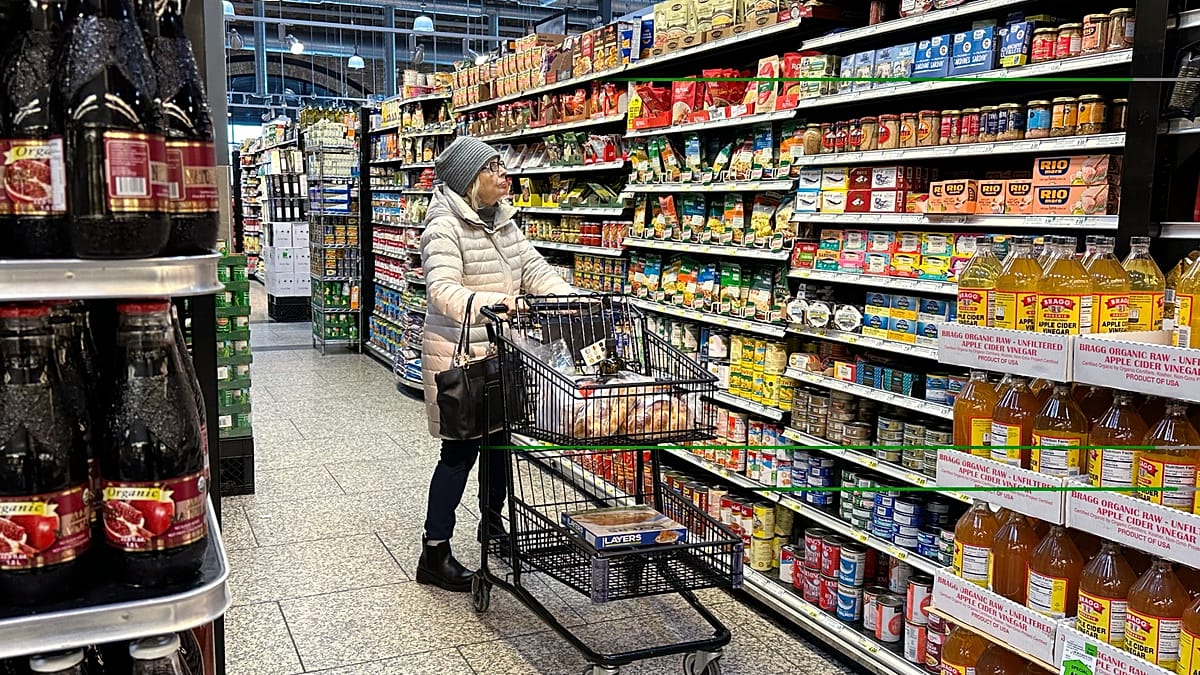
The Strait is crucial for global commerce, handling nearly 30% of oil exports, 20% of natural gas, and 30% of fertilizer exports, making it vital for global food production. The ongoing hostilities are driving up fertilizer prices, with urea rising to over $600 per tonne, impacting food prices and production worldwide. Experts emphasize that the disruption affects not only oil and gas but also pharmaceuticals and plastics, highlighting a broader critical trade impact.
The Gulf states, including Qatar and Saudi Arabia, export significant amounts of nitrogen fertilizer, essential for agricultural yields in countries like the U.S. and India. While short-term shocks can be managed with current reserves, the fertilizer market has less flexibility. Should conflicts persist, staple food prices could rise, affecting wheat, corn, and dairy products. Experts suggest monitoring the situation closely, as prolonged disruptions could exacerbate food insecurity globally.
Source link
