



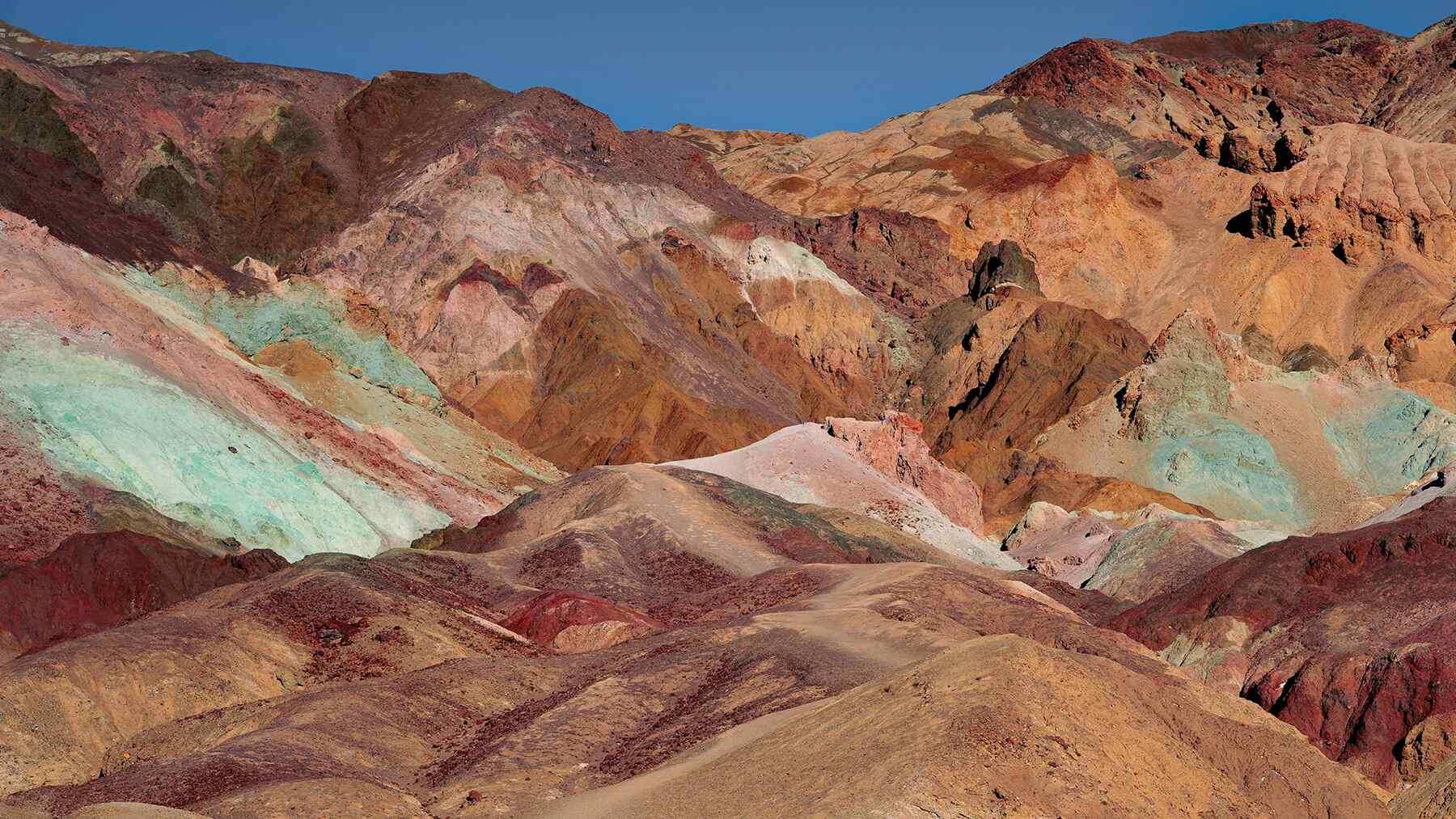
The article discusses the anticipation of an upcoming superbloom in California’s deserts, similar to those seen in 2005 and 2016. Superblooms occur when specific conditions—like heavy rainfall, minimal dry winds, and warm spring temperatures—align perfectly. The last significant superblooms in Death Valley happened in 1998, 2005, and 2016, on average every decade.
This winter has seen above-average rainfall in Southern California, potentially indicating a superbloom. Death Valley recorded substantial rainfall, with early wildflower blooms already reported. The National Park Service estimates peak bloom to last six weeks from late February to early April, suggesting that conditions could lead to California’s third superbloom of the 21st century.
Beyond Death Valley, other desert areas like Anza-Borrego Desert State Park and Joshua Tree are also poised for significant blooms. If conditions remain favorable, desert landscapes will transform from dull browns to vibrant colors. This rare phenomenon offers a unique opportunity to experience the desert in full bloom, with the added benefit of predicted timing for viewing.
Source link
