



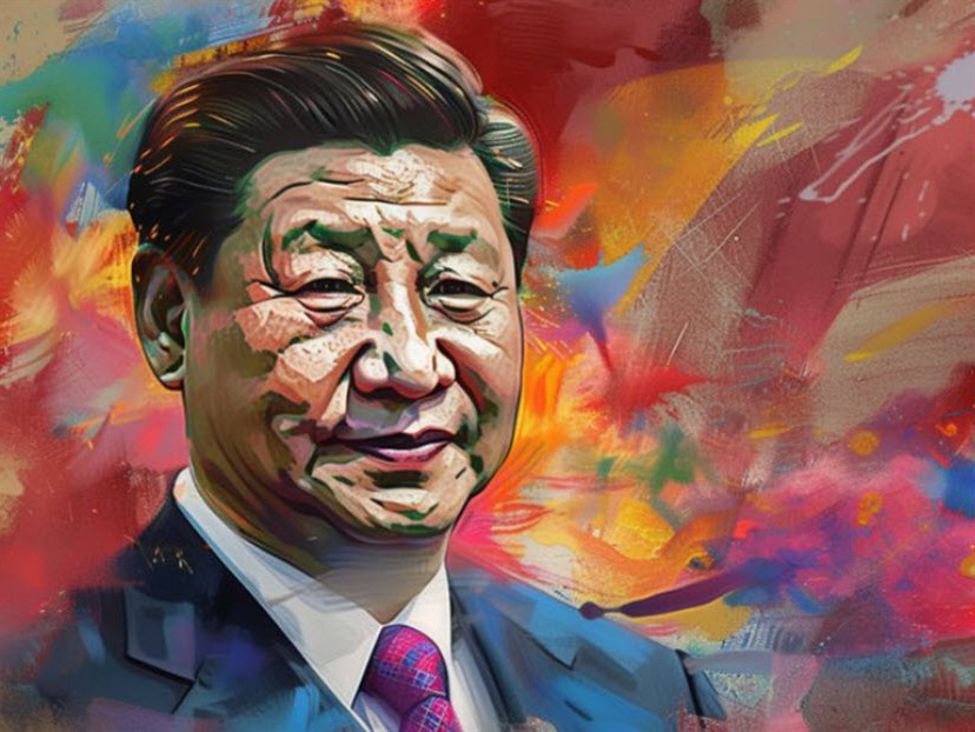
Chinese President Xi Jinping is refocusing the country’s growth strategy toward domestic consumption in response to increasing global trade uncertainties. Speaking at the Central Economic Work Conference, Xi emphasized that consumption and investment should be the primary drivers of economic growth. Although China achieved a record trade surplus amidst ongoing U.S. tariff tensions, the government is wary of over-reliance on exports due to rising protectionism and external risks.
In 2022, China’s GDP grew by 5%, largely supported by strong semiconductor exports, despite weak consumer spending and declining investments in sectors like real estate. Xi’s policy initiatives include improving household incomes, expanding pensions, and stimulating public welfare investments to boost consumer purchasing power. The focus will also be on innovation, sustainable growth, and quality development.
While there are no large-scale stimulus plans in the pipeline, the government aims to maintain a stable budget deficit and spending until 2026, indicating a cautious yet supportive approach to economic stability rather than aggressive expansion.
Source link
