



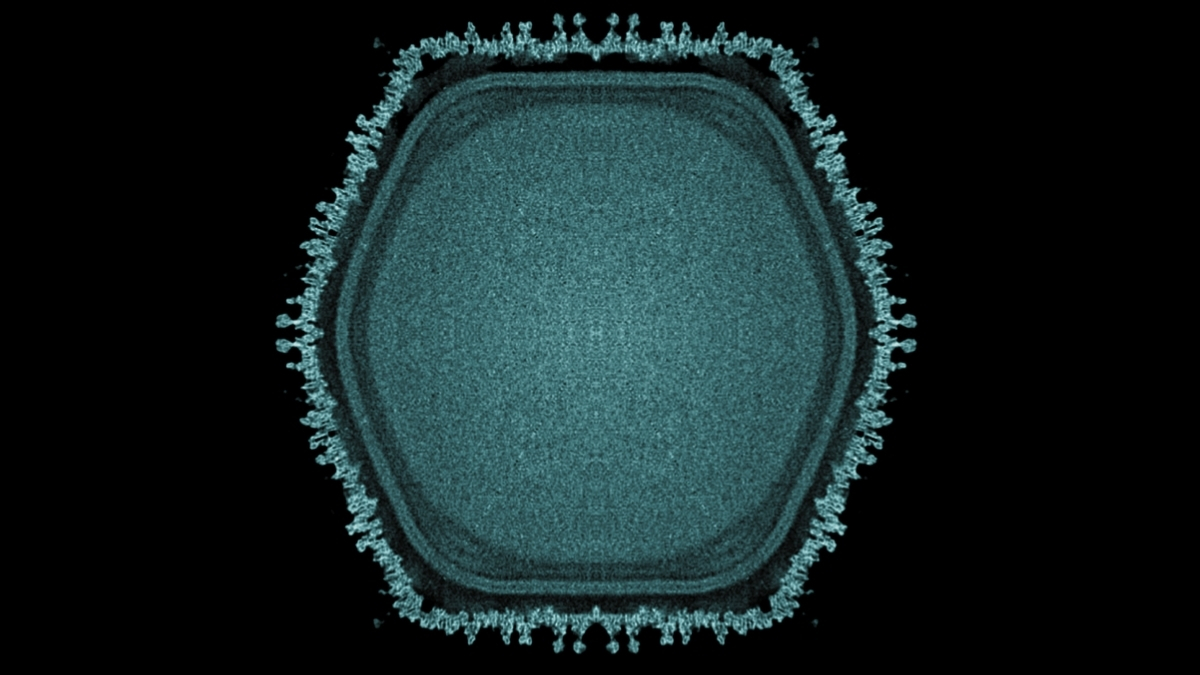
Scientists in Japan have discovered a new giant virus, named “Ushiku Virus,” in a freshwater pond near Tokyo. This discovery sheds light on giant viruses and their potential role in the evolution of multicellular life. Initially overlooked in virology, giant viruses were often mistaken for bacteria due to their size and are now recognized as abundant and complex biological entities.
Viruses, while not classified as living organisms, significantly impact all life forms and can alter the evolution of their hosts. They can facilitate genetic exchange and, in some cases, integrate their DNA into the host’s genome, potentially benefiting evolution. Notably, remnants of ancient retroviruses contribute to about 8% of the human genome, enhancing functions such as myelin production.
A key theory, known as viral eukaryogenesis, suggests that the nucleus of eukaryotic cells may have originated from large DNA viruses, which infected early prokaryotic cells. The Ushiku virus provides evidence supporting this theory, demonstrating how virus-host interactions could influence the evolution of eukaryotic cells.
The Ushiku virus infects the amoeba Vermamoeba vermiformis and exhibits unique features, such as causing abnormal host cell growth. Unlike similar viruses, it forms a viral factory that disrupts the host’s nuclear envelope, providing insights into the diversity and evolutionary history of giant viruses.
Ongoing research by Masaharu Takemura and colleagues aims to deepen understanding of giant viruses and their role in the evolution of eukaryotes, positing that these discoveries may connect the biological and viral worlds. The findings were published in the Journal of Virology.
Source link
