



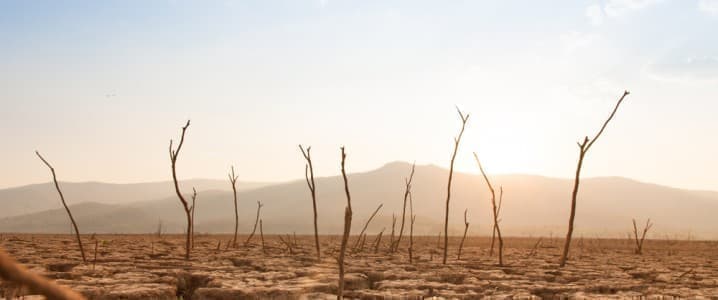
The article discusses the potential dire consequences of global warming exceeding the 2 degrees Celsius mark, a threshold that scientists warn could lead to catastrophic environmental changes. The International Energy Agency (IEA) emphasizes the urgent need for countries to transition to renewable energy in order to mitigate these risks.
Despite the Paris Agreement’s aim to limit warming to 1.5 degrees Celsius, projections suggest that several nations might fail to meet their commitments. The imminent El Niño phenomenon is expected to further exacerbate temperature increases. According to researchers, if global temperatures rise by 2 degrees Celsius, the number of people experiencing extreme heat could jump from 1.54 billion to 3.79 billion by 2050, particularly affecting countries like India, Nigeria, and the Philippines.
The article stresses that regions in the tropics and southern hemisphere will be hit hardest, but the northern hemisphere will also suffer significant impacts. There are urgent calls for improved infrastructure and adaptation measures, particularly in the Global North, which may underestimate the urgency of the situation. Rising temperatures are projected to lead to more frequent severe weather events, changing climate patterns, and rising sea levels, posing grave threats to ecosystems and human life.
In summary, the need for immediate action on emissions reduction and sustainable development is crucial to avert the worst impacts of climate change.
Source link
