



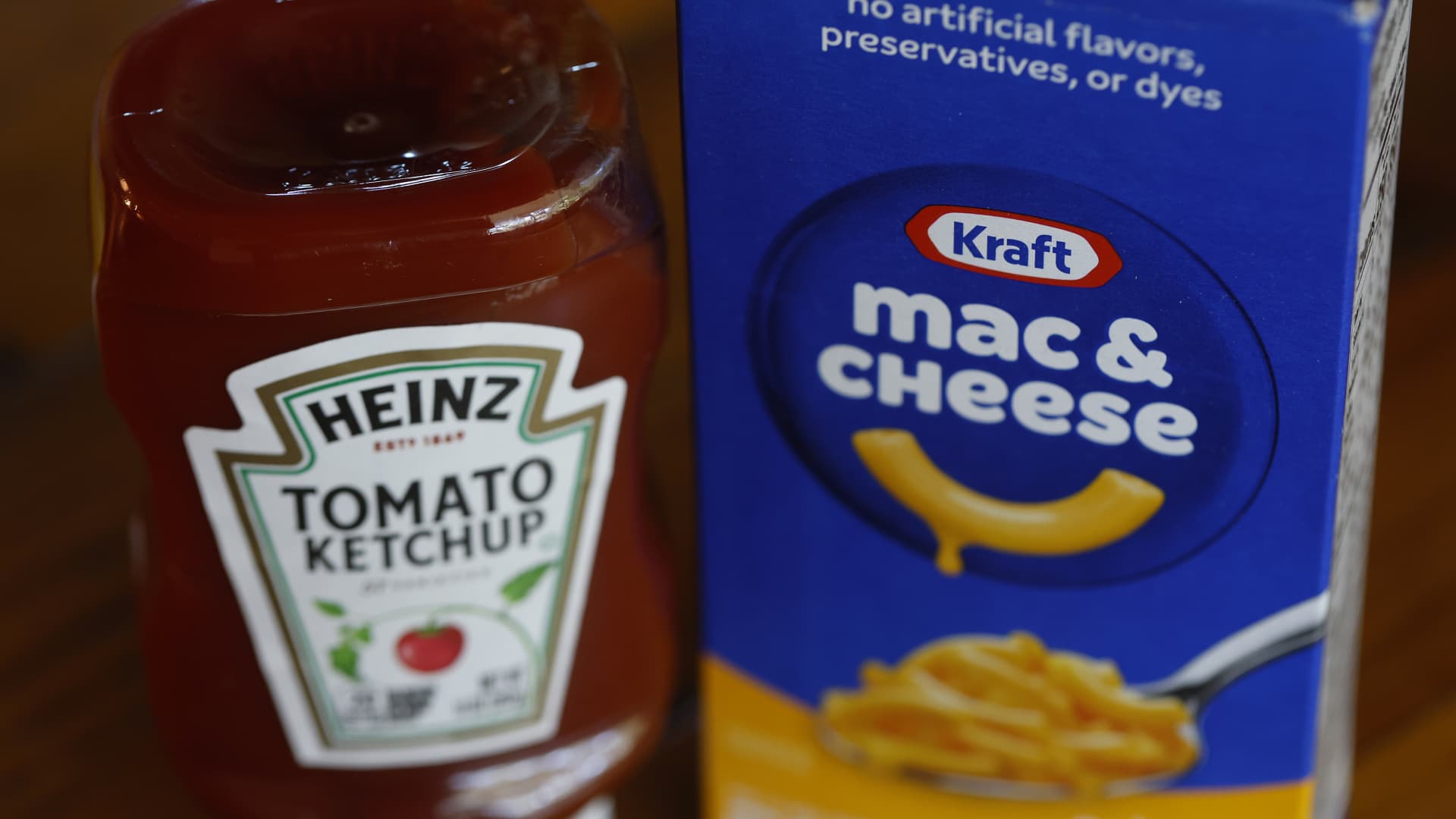
Kraft Heinz has announced plans to split into two separate companies, reversing a 2015 merger orchestrated by Warren Buffett. This trend of divestiture is gaining traction in the food industry as consumers and regulators are increasingly pushing back against ultra-processed foods. Companies like Unilever and Keurig Dr Pepper are following similar paths.
By 2024, nearly half of merger and acquisition activity in consumer products will involve divestitures, according to Bain & Company. Many large firms are shedding underperforming brands amid declining sales and increasing competition from smaller brands and private label products. The rise in demand for fresh foods, coupled with reduced appetite for sugary and salty snacks, is contributing to these pressures.
Analysts argue that many major players, including Kraft Heinz, have become too complex and focused on cost-cutting rather than reinvesting in core brands. Kraft Heinz’s stock has dropped by 73% since its merger, attributed largely to these harsh strategies. While some investors believe a split could create value, others argue that simply divesting brands won’t resolve fundamental issues within the company.
As the sell-off trend continues, companies like General Mills and Nestlé are also looking to streamline operations by selling off certain brands. The landscape of acquisitions is also shifting, with smaller brands becoming targets for larger firms, primarily due to the current regulatory environment that makes significant deals challenging.
Source link
