



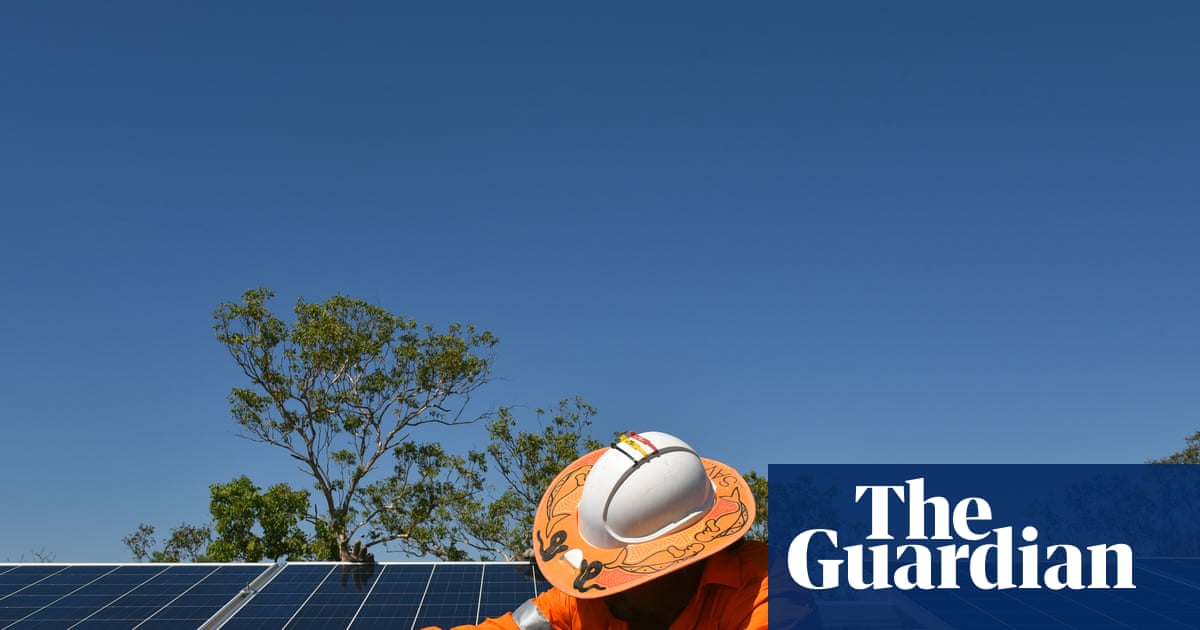
Australia’s electricity grid is undergoing rapid changes, significantly driven by the dramatic increase in solar power uptake, particularly highlighted during a recent heatwave that set temperature records. Solar energy now accounts for 30% of the electricity on the main grid and peaks at 67% during midday hours, outperforming coal, which once supplied nearly 90% of the country’s power.
The rapid adoption of solar energy has refuted previous skepticism that renewables could provide more than 10-20% of electricity. A notable moment occurred when, for the first time, renewables exceeded 50% of the electricity supply in a quarter, coinciding with a 44% drop in wholesale electricity prices over the past year.
Despite successes, the current system still heavily relies on coal, particularly when the sun sets. Transitioning to a cleaner grid presents challenges, including infrastructure needs for grid stability. While the progress made in renewable energy adoption is remarkable, especially given that solar power utilization was under 2% a decade ago, concerns remain about the speed of new investments necessary to meet climate goals and replace aging coal plants.
Overall, while the transition to a primarily renewable electricity grid is substantial, challenges and opposition persist, underscoring the complexity of this large-scale energy shift.
Source link
