



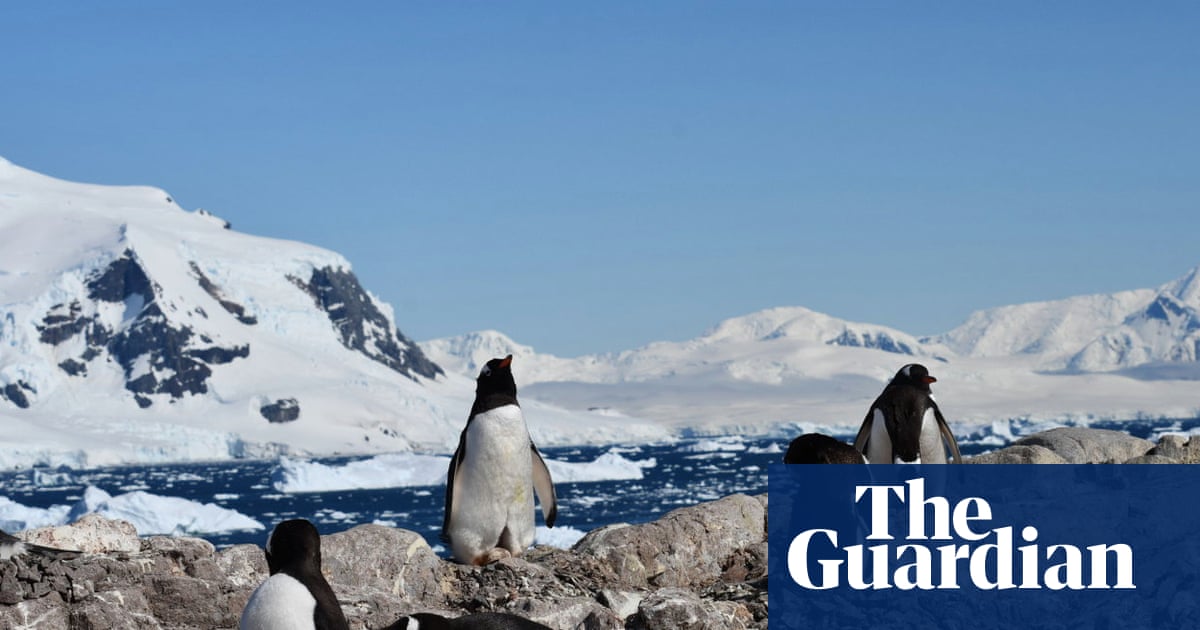
A recent study led by Penguin Watch at the University of Oxford has found significant changes in the breeding seasons of Antarctic penguins, likely in response to climate change. Over a decade, some penguins have begun mating over three weeks earlier than recorded, which could jeopardize their access to food and threaten their survival. Dr. Ignacio Juárez Martínez, the lead author, emphasized that these shifts may result in chick starvation due to mismatched breeding timing and prey availability.
The study, published in the Journal of Animal Ecology, analyzed data from 77 time-lapse cameras set up across 37 colonies, focusing on three species: Adélie, chinstrap, and gentoo penguins. Results showed that gentoo penguins experienced the most significant changes, with their breeding timing advancing by an average of 13 days, marking the fastest change in breeding timing for any bird.
The altered timing could escalate competition between penguin species, as gentoo penguins, which are more adaptable in their diet, begin to thrive in the changing conditions while Adélie and chinstrap populations decline. This intensifying competition could complicate nesting and resource access, as traditionally, the three species’ staggered breeding allowed coexistence.
The underlying causes for these early breeding patterns remain unclear, but factors such as rising temperatures, faster ice and snow melting, and shifts in phytoplankton blooms may contribute. The ecological role of penguins is crucial, as they transport nutrients vital for surface algae growth. The decline in populations of chinstrap and Adélie penguins raises alarms about the potential collapse of the Antarctic ecosystem, emphasizing the need for conservation efforts to protect penguin diversity.
Source link
