



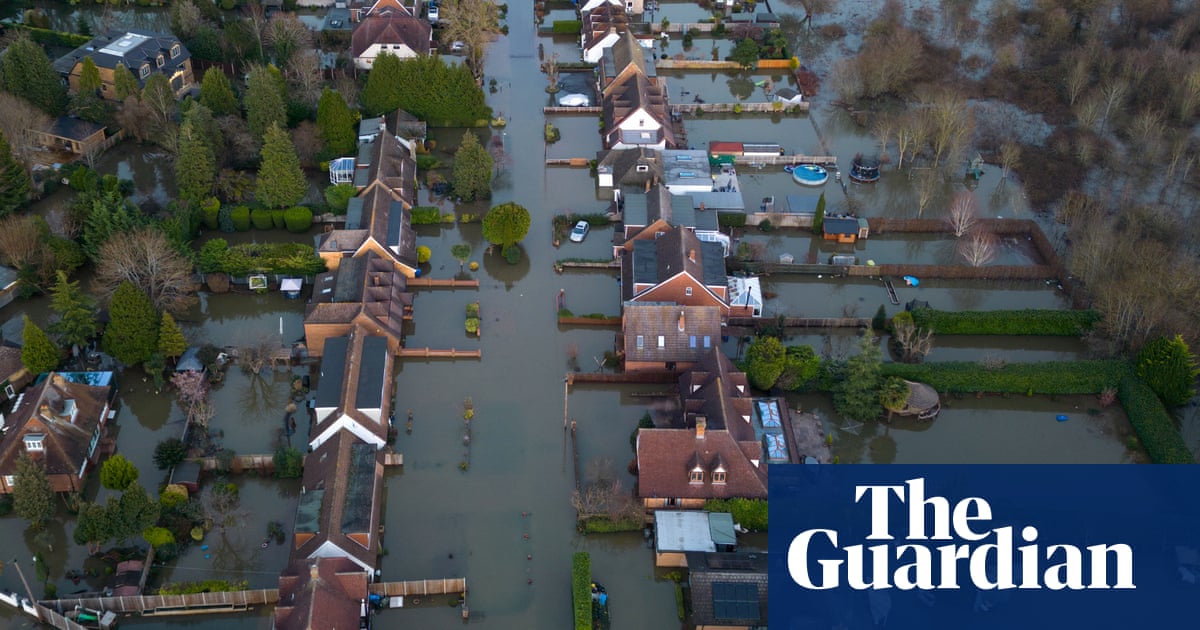
Scientists have outlined severe potential impacts of the climate crisis in the UK, including a possible 4°C rise in temperatures and up to a 2m increase in sea levels by 2100. A catastrophic scenario could see temperatures drop by 6°C due to the collapse of the Atlantic Meridional Overturning Circulation (AMOC), leading to major agricultural and energy challenges. These scenarios highlight climate tipping points and emphasize the need for better preparedness, as current planning lacks tools for extreme predictions.
The second scenario illustrates possible extreme weather, with monthly temperatures soaring by 6°C and precipitation tripling. Professor Nigel Arnell from the University of Reading noted that while these extremes are plausible, the exact probabilities remain uncertain. He emphasized the analogy with national security assessments and the need for infrastructure planning that considers these risks.
Current efforts to address climate risks are insufficient, as noted by advisors like the Committee on Climate Change. The research, which was commissioned by the Japan Meteorological Agency, combines historical data and simulations to create these worst-case scenarios. The study also revealed that sea levels could rise significantly if glaciers collapse.
The UK government has indicated that climate change is a priority and is investing in resilience measures, including flood defenses and new reservoirs. However, the adaptation plan has faced criticism for being weak, and a review of climate risk evidence is expected soon.
Source link
