



Summary
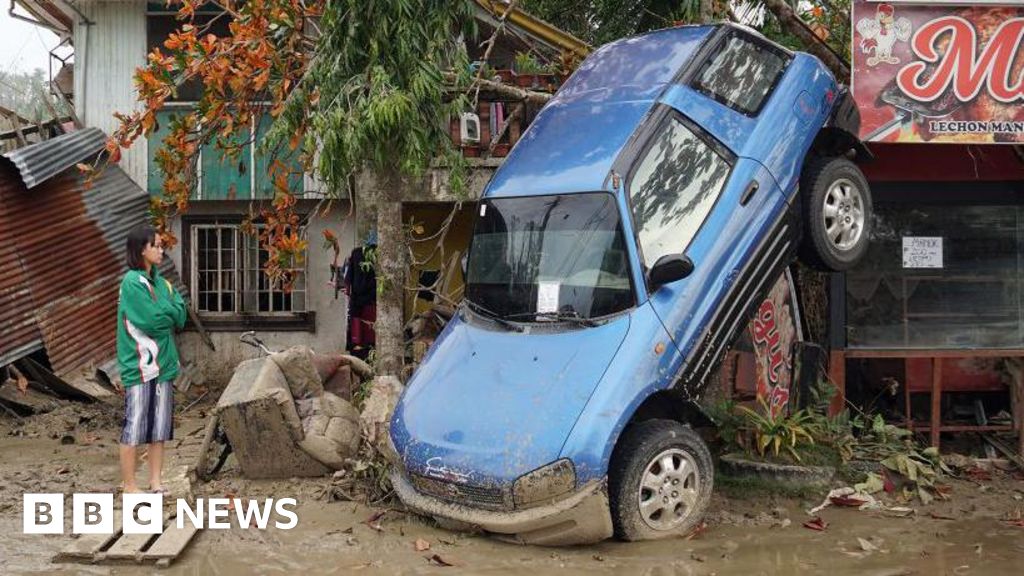
Survivors of Typhoon Rai, a devastating storm that struck the Philippines in December 2021 and resulted in nearly 400 deaths, have filed a lawsuit in a British court against Shell, Britain’s largest oil company. They claim that Shell’s greenhouse gas emissions contributed to the intensification and likelihood of the storm, thus seeking compensation for the damage caused.
The court case is notable as it marks the first legal action of this kind against a major UK oil producer. Shell, which denies any responsibility for the typhoon, claims the allegations are unfounded and states it has no special knowledge about climate change beyond what is publicly known.
The legal action is based on claims that Shell is responsible for about 2% of historic global greenhouse gas emissions and has been aware of fossil fuels’ impact on climate change since at least 1965. Survivors argue that Shell prioritizes profits over people’s safety and environmental health.
While the lawsuit is supported by various environmental groups, experts note that establishing direct links between the actions of fossil fuel companies and specific weather events in court has traditionally been challenging. However, advances in scientific understanding have recently lowered this bar.
The claims have been officially lodged with the UK’s Royal Court of Justice, and further elaboration on the case is expected by mid-2024.
